

Carney's Sedition Accusations and Emergencies Act Defense Mirror Trudeau's Stance
Prime Minister Mark Carney's characterization of the Freedom Convoy protests as acts of "sedition" and "blatant treachery" has drawn significant attention, particularly as his administration continues to defend the controversial invocation of the Emergencies Act. In a February 2022 op-ed published in the Globe and Mail, Carney, identifying himself as an Ottawa resident and former central bank governor, described the convoy as "terrorizing" residents, forcing women to "flee abuse," and making elderly citizens "afraid to venture outside their homes."
The Emergencies Act Invocation and Its Aftermath
A week after Carney's op-ed appeared, then-Prime Minister Justin Trudeau implemented Carney's suggested approach by invoking the Emergencies Act for the first time in Canadian history. This unprecedented move created regulations that prohibited funding or traveling to protests and authorized financial institutions to search for and freeze bank accounts of suspected participants without warrants. This dramatic expansion of government authority generated international concern about civil liberties and democratic norms.
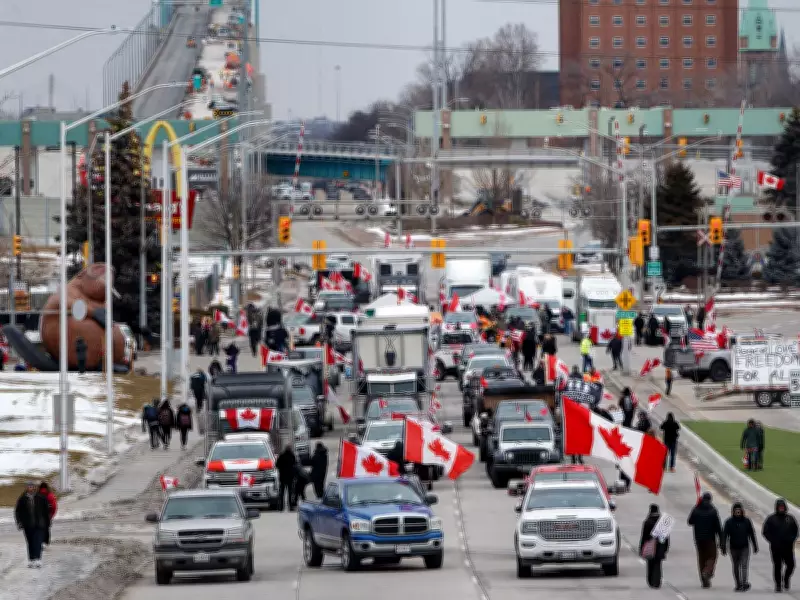
The Freedom Convoy protests, which included blockades at critical border crossings like the Ambassador Bridge connecting Detroit to Canada in February 2022, represented a significant challenge to public order. However, legal experts and constitutional scholars have questioned whether the situation truly warranted such extraordinary measures.

Judicial Rejection and Constitutional Concerns
Subsequent legal challenges resulted in a Federal Court judge and three Federal Court of Appeal judges ruling that the Emergencies Act invocation was unlawful and violated Charter rights. These judicial decisions emphasized that existing criminal laws provided sufficient tools for law enforcement to address the protests without resorting to emergency powers that suspended fundamental freedoms.
Despite these clear judicial findings, the Carney government has chosen to appeal to the Supreme Court of Canada, filing their application on the final possible day. In their legal materials, federal lawyers argue that border blockades and the discovery of firearms near the Coutts, Alberta border crossing justified the nationwide suspension of protest rights and warrantless financial surveillance.
Historical Context and Democratic Safeguards
The Emergencies Act was originally conceived as Parliament's response to historical abuses of power during crises, including the internment of Japanese Canadians during World War II and the suspension of habeas corpus during the 1970 October Crisis in Quebec. The legislation was specifically designed to prevent prime ministers from overreacting and suspending rights except in genuinely warranted circumstances where existing laws proved inadequate.
Legal analysts note that police had already made arrests and ended border blockades using standard Criminal Code provisions before Trudeau invoked the Emergencies Act. This timing raises serious questions about whether the extraordinary measures were necessary or represented political theater rather than genuine crisis management.
Broader Implications for Democratic Governance
The government's appeal argues that the court decisions "hamstring governments' ability to respond effectively to future crises," but constitutional experts counter that this interpretation misunderstands the Act's purpose. The legislation explicitly permits extraordinary measures only when situations pose serious risks of violence that cannot be addressed through existing legal frameworks.
This ongoing legal battle highlights fundamental tensions between security concerns and civil liberties in democratic societies. As the case progresses to Canada's highest court, it will establish important precedents regarding emergency powers, protest rights, and the balance between government authority and individual freedoms in times of social unrest.
The continuity between Trudeau's initial invocation and Carney's defense of those emergency measures suggests that, despite leadership changes, certain approaches to protest management and crisis response remain consistent within Canada's political establishment.






