

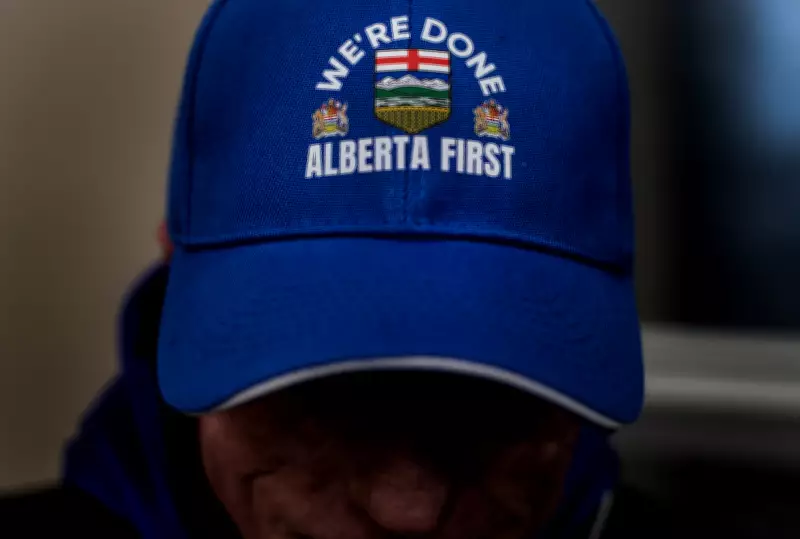
Survey Indicates Canadians Perceive U.S. Support for Alberta Independence
A recent national survey has uncovered a striking perception among Canadians regarding the potential for Alberta separation, with many respondents believing the United States would back such a move. The findings, released in February 2026, shed light on public attitudes toward cross-border political dynamics and the longstanding discourse around Alberta's place within Confederation.
Key Findings on Public Opinion
The survey, conducted across Canada, suggests that a substantial portion of the population holds the view that the U.S. would support Alberta if it pursued independence. This perception taps into broader discussions about Alberta's economic and political relationships, both domestically and internationally. While the survey did not specify the exact percentage of respondents, it highlights a notable trend in Canadian public thought.
Experts point to several factors that may influence these beliefs:

- Economic ties: Alberta's energy sector and trade connections with the U.S. are often cited as reasons for potential American interest.
- Political alignment: Perceived ideological similarities between Alberta and certain U.S. political movements could shape opinions.
- Historical context: Past instances of regional discontent in Canada may inform current public sentiment.
Broader Implications and Reactions
The survey results come amid ongoing debates about national unity and provincial autonomy in Canada. Alberta has historically voiced concerns over federal policies, particularly regarding energy and environmental regulations, which have fueled separatist sentiments in some quarters. The perception of U.S. support adds a layer of complexity to these discussions, potentially influencing political strategies and public discourse.
Political analysts note that while the survey reflects beliefs, it does not necessarily indicate actual U.S. policy or likelihood of separation. The U.S. government has traditionally maintained a stance of non-interference in Canadian internal affairs, emphasizing diplomatic relations and economic cooperation. However, public perceptions can impact domestic politics, shaping how issues are framed and debated.
In response to the survey, some commentators have urged caution, emphasizing the importance of evidence-based dialogue on national unity. Others see it as a reflection of growing regional frustrations that warrant attention from federal and provincial leaders. The findings may also influence future surveys and research on Canadian-American relations.
Context and Methodology
The survey was conducted in early 2026, sampling a diverse cross-section of Canadians to gauge opinions on various political and social issues. While details on the methodology are limited, such surveys typically use random sampling to ensure representativeness. The results on Alberta separation and U.S. support have garnered attention for their potential to inform policy discussions and public understanding.
As Canada navigates challenges related to climate change, economic diversification, and intergovernmental relations, perceptions like those revealed in this survey could play a role in shaping the national conversation. Whether these beliefs translate into political action remains to be seen, but they underscore the ongoing relevance of unity debates in Canadian society.






