

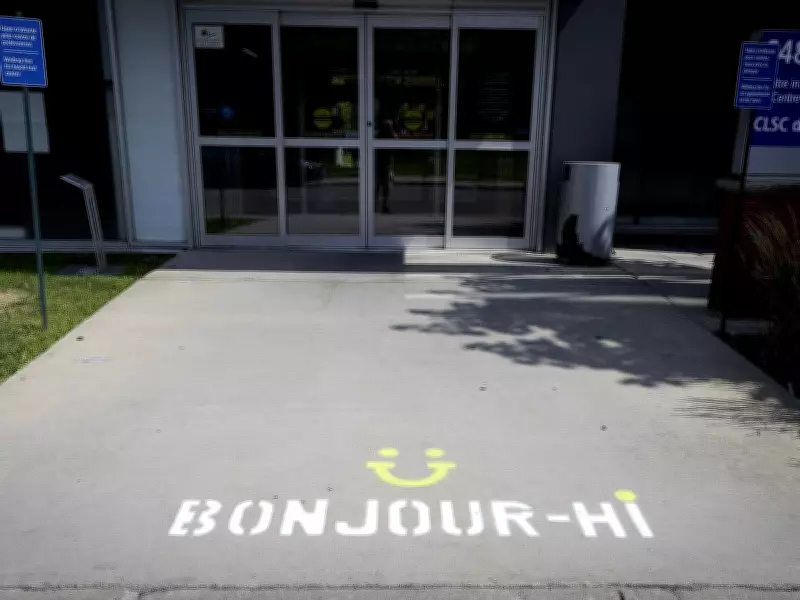
The ongoing controversy over the bilingual greeting "Bonjour-Hi" in Quebec has escalated with revelations of a new covert operation by the Office québécois de la langue française. Undercover observers and secret shoppers are being dispatched into thousands of private stores and businesses across the Montreal region and areas with large anglophone and immigrant populations to spy on and record the languages used by retail workers during customer interactions.
Costly Surveillance Operation
This surveillance initiative is estimated to cost cash-strapped taxpayers up to $350,000 beyond the OQLF's $49 million annual budget, which has doubled since the Coalition Avenir Québec government took power in 2018. An OQLF spokesperson explained that part of the agency's mandate is to monitor changes in and track the evolution of Quebec's linguistic situation, particularly focusing on initial greetings in commercial settings.
Questionable Priorities and Political Manipulation
The last OQLF study published in 2024 concluded that customers were able to be served in French in 98 percent of visits across all urban areas studied. This statistic should have been the primary focus, but instead, attention has shifted back to the "Bonjour-Hi" greeting, which critics argue conforms to a nationalist narrative of French decline in Montreal. Many view this emphasis as shameful and demeaning, particularly since the bilingual greeting is primarily used in areas with significant non-francophone populations and remains French-first in its construction.

Francophones are justified in wanting to ensure the vitality of the French language in North America, but this type of initiative does nothing to advance that goal. Instead, it lends itself to manipulation by politicians seeking to deepen division and suspicion between linguistic communities. The real danger lies in where such investigations might lead—potentially toward regulating what people can say in private settings, creating a slippery and dangerous slope for personal expression.
Business Realities Versus Government Intervention
Quebec merchants don't need government directives to offer service in French. No business wants to deprive itself of a client base comprising 80 percent of the province's population—that would simply be bad business practice. The language of commerce naturally adapts to customer demographics, with businesses in western Montreal sectors, for example, naturally using greetings that welcome their specific clientele.
While governments can reasonably regulate commercial signage to maintain a prevailing French character, they have no business compelling private enterprises on how to communicate one-on-one with customers. The state shouldn't force businesses to be dismissive or disrespectful toward their clients through restrictive language policies.
The Scapegoating of Anglophones
The National Assembly has twice passed unanimous resolutions discouraging the practice of "Bonjour-Hi," but critics argue that opposition to this inclusive greeting essentially suggests that anglophones shouldn't be acknowledged and are inferior clients. In reality, anglophones aren't the problem when it comes to French protection—Quebec's English school system produces bilingual graduates in higher numbers than ever before, and anglophones increasingly speak French proficiently.
These facts are rarely acknowledged in political discourse, making it easier to find scapegoats than to address substantive issues in language protection. Outing an anglophone store clerk for privately greeting an anglophone shopper with "Bonjour-Hi" accomplishes nothing except further belittling the province and its diverse population.
Call for Leadership and Substantive Solutions
When will francophone leaders have the courage to stand up and declare "enough is enough" regarding such divisive initiatives? When will prominent francophones call out OQLF clandestine operations as petty, meaningless, and embarrassing? The real work of protecting French requires looking beyond superficial greetings and developing more substantive approaches that don't diminish non-francophones.

As the world becomes increasingly divided, inclusive greetings like "Bonjour-Hi" should be celebrated rather than policed, particularly in areas with diverse populations. The $350,000 surveillance operation represents not just financial waste but a missed opportunity to address genuine challenges in language preservation through education, cultural promotion, and community engagement rather than surveillance and division.





