

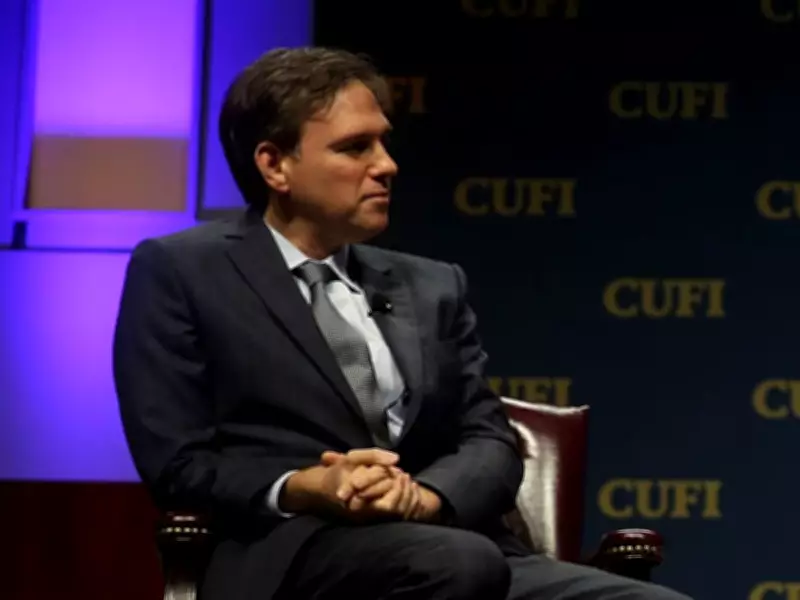
Avi Benlolo Counters Bret Stephens: The Fight Against Antisemitism Must Continue
In a compelling rebuttal to New York Times columnist Bret Stephens, Avi Benlolo asserts that Jews cannot afford to abandon the battle against antisemitism, despite Stephens' recent call to redirect funding toward Jewish cultural institutions. Stephens made his controversial remarks during a State of World Jewry address in New York on February 1, 2026, where he suggested that spending millions on antisemitism initiatives is wasteful. However, Benlolo points to the victims of antisemitic attacks from Toronto to Paris, Manchester to Bondi Beach, as stark evidence of the ongoing threat.
The Argument for Investing in Jewish Identity
Stephens advocates for a shift in focus, proposing that resources should instead bolster Jewish day schools, cultural institutions, philanthropic organizations, publishing houses, and news outlets. He argues that true Jewish thriving stems from a strong cultural identity, describing it as "the centring fact of life, the source from which we derive meaning and purpose, our spiritual compass and moral anchor and emotional safe harbour." Benlolo acknowledges the validity of this perspective, noting that identity issues are evident when a third of New York's Jews voted for Zohran Mamdani, yet he emphasizes that nine out of ten American Jews support Israel's right to exist, according to recent polls.
The Danger of a One-Legged Approach
Benlolo criticizes Stephens' stance as overly simplistic, arguing that the Jewish community must engage in multiple efforts simultaneously. A community that stands on one leg is bound to fall, he warns, highlighting the risks of silence in the face of rising antisemitism. He questions how much worse the situation might have been if Jews had remained passive after the October 7 massacre, noting that advocacy has been crucial in securing allies and shaping public narratives. Without such efforts, he fears that silence could be misinterpreted as guilt, perpetuating harmful stereotypes.

The Imperative of Strengthening Jewish Education
While defending the fight against antisemitism, Benlolo also stresses the importance of reinforcing Jewish education and identity. He points out that a community with substantial assets but failing to provide free Jewish education to every child risks eventual decline. As an advocate for investing in schools, camps, synagogues, and trips to Israel, he calls for better efforts in this area. However, he reflects on the limitations of traditional Holocaust education, which seemed insufficient when pro-Hamas mobs called for genocide in cities like Toronto, New York, London, and Paris post-October 7.
Recalibrating Strategies for the Future
Benlolo concludes by urging a recalibration of approaches, balancing the need to combat external threats with internal cultural strengthening. He asserts that Jews can no longer afford to be history's "trembling Jew," especially with the support of a strong Jewish state. By maintaining vigilance against antisemitism while fostering identity, the community can build a more resilient future, ensuring that both fronts are addressed without compromise.






