The Strange U.S. Ski Season: Snow Drought and Missing Canadian Skiers
The current ski season in the United States is unfolding in a peculiar and challenging manner, characterized by inconsistent snowfall patterns and a notable decline in visitors from Canada. Resorts that traditionally depend on robust cross-border tourism are feeling the pinch as fewer Canadian skiers make the trip south.
Epic Snowfall but Fewer Visitors at Jay Peak
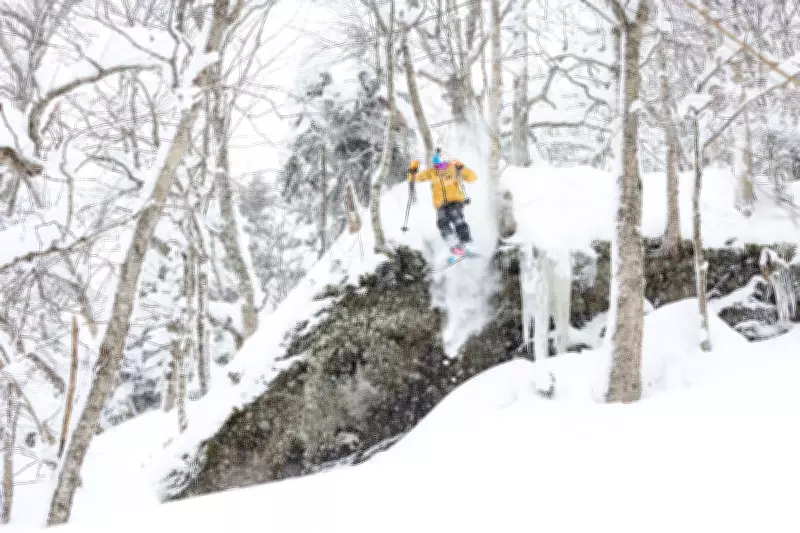
Jay Peak Resort, located in northern Vermont near the Canadian border, serves as a prime example of this trend. The resort is experiencing epic snowfall this season, yet it is seeing a significant reduction in the number of Canadian skiers. Historically, Jay Peak has relied heavily on visitors from Canada, often referred to as Maple Leaf visitors, who contribute substantially to the local economy. The decline in these tourists is creating financial strain for the resort and surrounding businesses.
Broader Implications for Ski Tourism
This situation highlights broader issues within the ski tourism industry. The combination of a snow drought in many regions and decreased international travel is affecting resorts across the country. Factors such as economic conditions, travel restrictions, or changing consumer preferences may be influencing the drop in Canadian visitors. Additionally, inconsistent weather patterns, possibly linked to climate change, are making snowfall less predictable, further complicating operations for ski areas.

The impact extends beyond just the resorts themselves. Local communities that thrive on winter tourism are experiencing reduced revenue from lodging, dining, and retail. This downturn underscores the interconnected nature of regional economies and the importance of stable tourism flows.
Looking Ahead for the Industry
As the season progresses, ski resorts are adapting to these challenges by implementing various strategies. These may include enhancing marketing efforts to attract domestic skiers, offering special promotions, or investing in snowmaking technology to compensate for natural snow shortages. However, the long-term sustainability of these businesses may depend on addressing larger environmental and economic trends.
The strange U.S. ski season serves as a reminder of how vulnerable outdoor recreation industries can be to external factors. It emphasizes the need for resilience and innovation in the face of changing conditions to ensure the vitality of ski tourism in the years to come.