Biodynamic Wines: Ancient Philosophy Meets Modern Viticulture
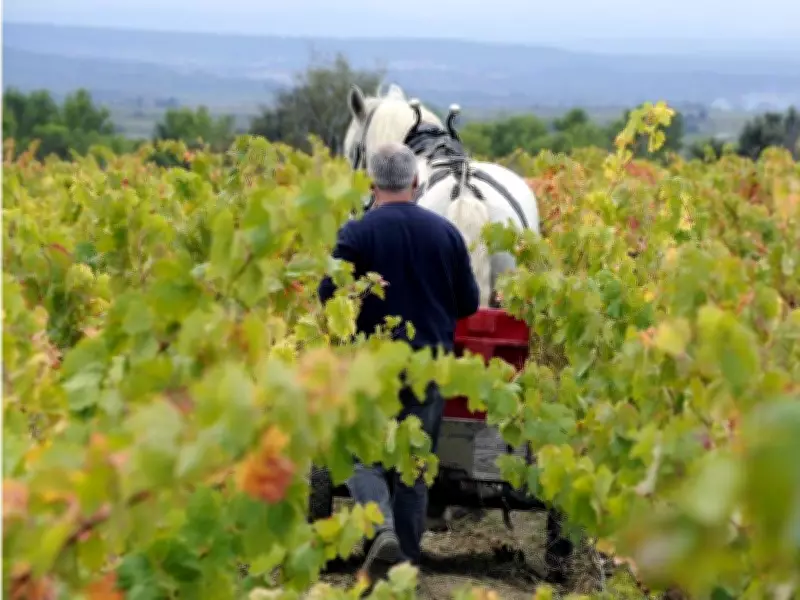
The world of winemaking has witnessed a remarkable shift toward biodynamic agriculture, a practice rooted in century-old philosophy that now influences some of the most prestigious vineyards globally. From the Minervois region of France to California's Sonoma Valley, producers are trading tractors for horse-drawn carts and chemical treatments for natural remedies.
The Origins: Rudolf Steiner's Vision
Biodynamic agriculture traces its origins to 1924 when Austrian philosopher Rudolf Steiner delivered his groundbreaking "agricultural course" lectures in Germany. Steiner developed this approach as a direct response to farmers' growing concerns about chemical use in their fields. While many contemporaries dismissed his theories as pseudoscientific, Steiner's holistic perspective has gained significant traction in modern viticulture.
Steiner was a multifaceted thinker whose interests spanned occultism, social reform, and artistic expression. He claimed clairvoyant abilities following a childhood encounter with his deceased aunt and maintained a lifelong skepticism toward organized religion. His architectural masterpiece, the Goetheanum in Dornach, Switzerland, stands as a testament to his belief in integrating diverse art forms.

The Biodynamic Method: Back to Nature
At its core, biodynamic agriculture represents a return to ecological balance. Practitioners employ natural solutions to agricultural challenges: planting specific flowers to attract beneficial insects, establishing raptor housing to control pests, and creating organic fertilizers from local materials. Water conservation and natural remedies like silica for excessive rain conditions form essential components of this approach.
The biodynamic calendar, based on moon phases and planetary positions, dictates optimal times for planting, pruning, and harvesting. While some aspects of biodynamic practice may seem esoteric—such as timing activities to "flower, fruit, leaf and root days"—proponents argue this attention to natural rhythms produces superior results.
From Skepticism to Conversion
Many wine experts initially approach biodynamic methods with skepticism. Geoff Last, a veteran Calgary wine merchant and writer, admits he was doubtful until experiencing biodynamic vineyards firsthand. His conversion came after visiting Benziger Winery in Sonoma Valley, where he witnessed what he describes as "the pulsing energy of the natural world."
"Walking around the property," Last recalls, "there was an undeniable sense that nature had reclaimed the area. Owner Mike Benzinger noticed a resurgence of animal species that hadn't been seen in the region for years after converting to biodynamic practices."
The Biodynamic Boom
The growth of biodynamic winemaking has been exponential. Two decades ago, only 30-40 wineries practiced biodynamics; today, over 600 producers hold certification from Demeter, the global biodynamic certification organization. Certification costs approximately $3,000 annually, but many more vineyards implement biodynamic principles without formal accreditation.
Prestigious names like Chateau Palmer, Chateau Latour, Alvaro Palacios, Domaine Zind Humbrecht, and Maison Leroy have embraced biodynamic methods. More affordable options have also emerged, such as Domaine Raymond Usseglio Charles Lirac, a Chateauneuf-du-Pape-style wine retailing around $35.
Environmental and Quality Benefits
Proponents argue biodynamic wines offer dual advantages: superior quality and environmental sustainability. By eliminating chemical treatments and reducing mechanical intervention—like replacing tractors with horses to prevent soil compaction—biodynamic vineyards promote healthier ecosystems.
"I've seen what goes into many big-volume wines," Last notes, "and it's not pretty. Biodynamic wines are better for you and better for the planet." The movement represents more than agricultural technique; it embodies a philosophical commitment to working in harmony with natural systems rather than dominating them.

As consumers increasingly seek authentic, sustainable products, biodynamic wines continue gaining market presence, with Demeter-certified bottles clearly marked for easy identification. From philosophical origins to practical application, biodynamic viticulture has evolved from fringe theory to mainstream practice, reshaping how we think about wine production and our relationship with the natural world.