Southern Alberta's Climate Proving Beneficial for Whisky Production
Calgary's distinctive weather patterns are creating unexpected advantages for the region's growing whisky industry, according to local distillers and climate experts. The combination of dry air, significant temperature fluctuations, and specific atmospheric conditions in Southern Alberta is accelerating the aging process while enhancing flavor development in whisky barrels.
Optimal Conditions for Maturation
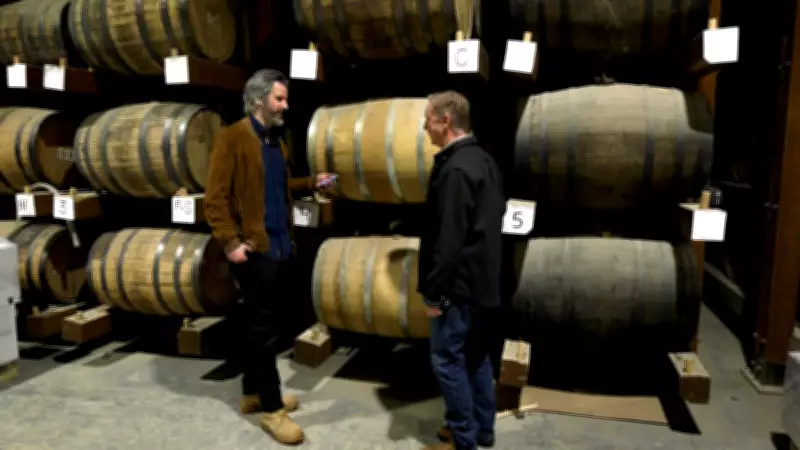
Temperature variations between day and night in the Calgary region create what distillers describe as a "breathing effect" in whisky barrels. As temperatures rise during the day, the liquid expands into the wood, extracting compounds that contribute to flavor. When temperatures drop at night, the whisky contracts, pulling those extracted elements back into the spirit. This daily cycle happens more dramatically in Alberta than in many traditional whisky-producing regions, potentially reducing the time needed for proper maturation.
The low humidity levels characteristic of Southern Alberta's climate contribute to what's known as the "angel's share" - the portion of whisky that evaporates during aging. While this evaporation represents a loss of volume, it concentrates flavors and can create more complex spirit profiles. Distillers report that their whisky loses approximately 3-5% of its volume annually to evaporation, slightly higher than in more humid climates but resulting in what many describe as superior concentration of flavors.

Scientific Perspective on Climate Impact
Researchers studying the intersection of climate and spirit production have identified several factors that make Southern Alberta particularly suitable for whisky aging:
- Consistent seasonal patterns that provide predictable aging conditions
- Minimal temperature extremes that could damage the aging process
- Clean air quality that prevents unwanted flavor contamination
- Stable barometric pressure that maintains consistent barrel interaction
"What we're seeing in Alberta represents a fascinating case study in how regional climate can influence spirit production," explained Dr. Evelyn Carter, a food science researcher at the University of Calgary. "The conditions here create a unique microenvironment within whisky barrels that appears to accelerate certain chemical reactions while preserving delicate flavor compounds that might be lost in more variable climates."
Industry Response and Future Outlook
Local distilleries have begun adapting their production methods to maximize these climatic advantages. Several Calgary-area producers report experimenting with different barrel types, aging durations, and warehouse placements to optimize the natural benefits of their environment.
"We've noticed our whisky develops richer caramel and vanilla notes about 20% faster than we anticipated based on traditional aging timelines," said Michael Donovan, master distiller at a prominent Calgary distillery. "The climate here seems to extract the sweeter elements from the oak more efficiently while maintaining good balance with the spirit's inherent character."
The recognition of Alberta's favorable whisky-aging conditions comes as the province's craft distilling industry continues to expand. With more than two dozen licensed distilleries now operating across Alberta, producers are increasingly looking to local climate advantages as a potential differentiator in competitive spirits markets.
Climate scientists caution that while current conditions appear beneficial, long-term climate change could alter these advantages. However, for now, Southern Alberta's weather is providing what many in the industry describe as "the best of all worlds" for whisky production - combining traditional aging principles with unique regional characteristics that enhance both efficiency and quality.