Alberta Overhauls Animal Protection Laws After Two Decades
In a significant move for animal welfare, Alberta is preparing to update its animal protection laws for the first time in 20 years. This legislative refresh aims to address evolving standards and improve enforcement across the province.
Long-Awaited Legislative Changes
The upcoming revisions come after two decades of minimal changes to Alberta's animal protection framework. Provincial officials indicate the updates will modernize regulations to better protect animals in various settings, including farms, homes, and commercial operations.
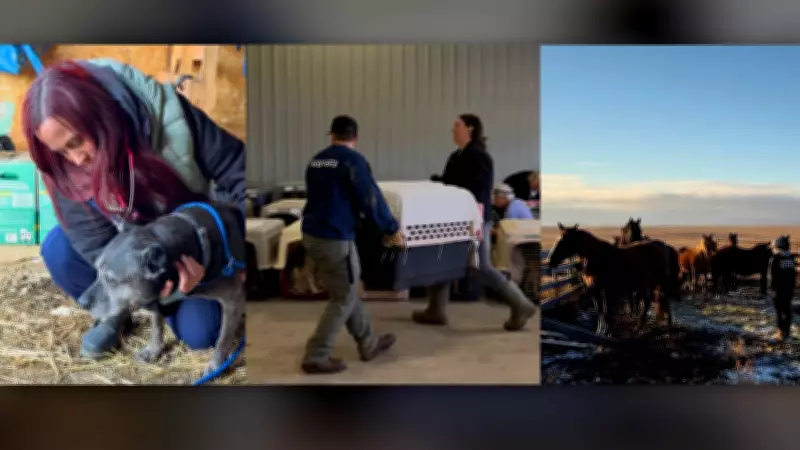
The timing coincides with increased public awareness of animal welfare issues, as demonstrated by recent incidents requiring coordinated rescue efforts. For instance, the Alberta Animal Rescue Crew Society (AARCS) recently reported that more than 16 agencies assisted in caring for hundreds of animals surrendered to Valleyview RCMP.

Enhanced Protection Measures
The legislative changes are expected to introduce several key improvements:
- Stronger enforcement powers for animal protection officers
- Updated standards for animal care and housing
- Clearer definitions of animal neglect and abuse
- Improved coordination between rescue organizations and law enforcement
These updates follow growing concerns about animal welfare across Canada, with various provinces examining their own legislation. Alberta's comprehensive review represents one of the most substantial overhauls in recent memory.
Broader Context of Animal Welfare
The legislative changes occur alongside other animal-related developments in Canada. Recent incidents include a Tsuut'ina First Nation police officer shooting an aggressive dog and ongoing discussions about wildlife management policies.
Animal rescue organizations have welcomed the proposed updates, noting that current legislation has struggled to keep pace with modern understanding of animal welfare. The Alberta Animal Rescue Crew Society and similar groups have advocated for stronger protections for years.
The provincial government has indicated that public consultation will form part of the legislative process, allowing stakeholders to provide input on the proposed changes before final implementation.