Toronto Food Bank's Vital Rice Shipment Targeted in Strait of Hormuz Attack
A critical humanitarian shipment bound for Toronto has been caught in an international maritime incident. A cargo ship transporting $90,000 worth of rice from Thailand to the Daily Bread Food Bank in Toronto was among three vessels struck by a projectile in the Strait of Hormuz near Iran on Wednesday, March 12, 2026.
Food Bank CEO Details the Incident and Contingency Plans
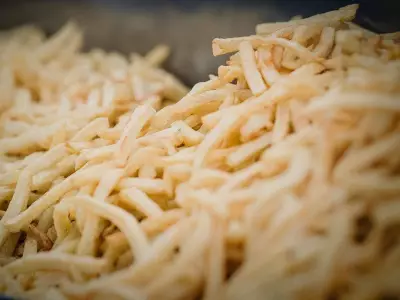
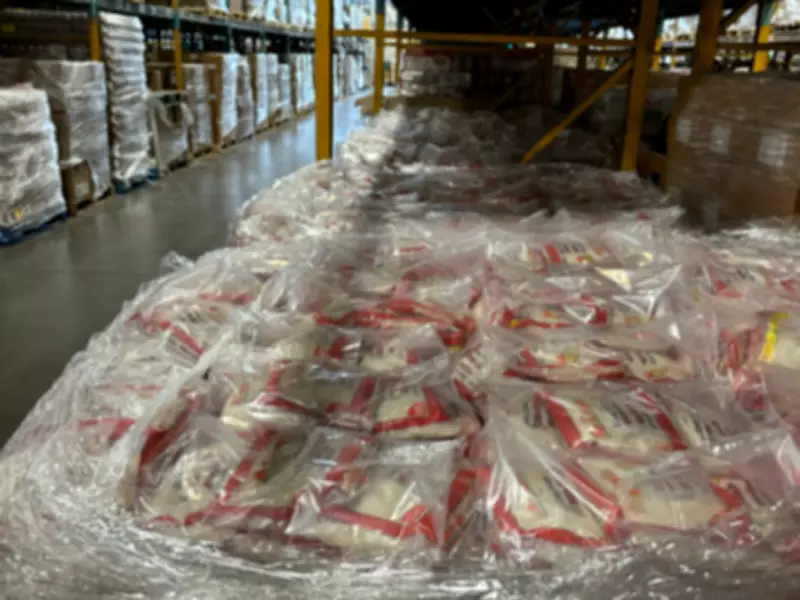
Neil Hetherington, CEO of the Daily Bread Food Bank, confirmed the attack, stating, "Our vendor has said she's not sure whether or not the rice containers were destroyed, but the boat was not sunk. We know that they will be delayed for sure, if not destroyed." The shipment consisted of six containers, each holding approximately 40,000 pounds of rice—totaling an estimated 330,000 servings per container at a cost of $15,000 each.
Hetherington emphasized this is the first—and hopefully last—time such an incident has occurred with their international supply chain. "We generally source all our food locally, but our supply chain team sources food internationally when necessary. In this case, it was Thailand, but we also purchase rice from India and Guyana," he explained.

Backup Supplies Prevent Immediate Crisis
Fortunately, the food bank is not facing an immediate shortage due to strategic redundancies. "We aren't panicking because we purchase rice from multiple locations. If it's delayed from Thailand, we will have the backup," Hetherington assured. The organization currently feeds 1 in 10 Torontonians, serving 13,000 people daily through its network.
The CEO outlined several potential scenarios for the damaged vessel: "We don't know if the ship is repairable. If it's destroyed. Does it have to go into drydock? Are they going to offload the containers and put them on another ship? It could be delayed, or do they put some duct tape on it and it can go?" He expects to receive an update from the vendor next week regarding the rice's fate.
Broader Implications and Investigation Concerns
Hetherington raised concerns about potential investigations complicating the situation further. "Will the U.S. army investigate? Will they say, 'No, we're going to seize this boat and do a full investigation. You can't move cargo off.' I can imagine things like that happening. If we want to have security in the marketplace, there needs to be security of safe passage."
Growing Demand and Operational Challenges
The incident occurs against a backdrop of increasing need. Two years ago, the food bank experienced 36% growth in clients served, followed by 18% growth last year—"still awful," according to Hetherington. The organization recorded 4.1 million client visits last year, compared to fewer than 1 million annually before the pandemic.
Usage patterns have also shifted dramatically. Clients who previously visited monthly now average 3.2 visits per month, taking advantage of the allowance to visit once weekly. Despite these challenges, Hetherington remains committed: "I think this is a one-of-one for us, and I'm really glad we have the redundancies in place. We have a promise that we will continue to feed the city through hell or high water, and we are going to honour that promise."
The Strait of Hormuz—a critical shipping chokepoint between the Persian Gulf and the Gulf of Oman—has seen increased tensions in recent years, but humanitarian shipments have rarely been affected. This incident highlights how global conflicts can unexpectedly impact local food security efforts thousands of miles away.