Travel Experts Reveal What NOT to Pack for Your European Vacation
Packing for a European adventure often presents a challenging dilemma. While you want to be ready for every possibility, overloading your suitcase can transform a dream holiday into a cumbersome ordeal. The secret to traveling light lies in strategic planning and eliminating items you might think you need but will likely never use. Here is a comprehensive guide from travel professionals on what to leave at home.
Impractical Footwear
High heels and other uncomfortable shoes are a definite no-go. "Europe is best explored on foot, so comfortable, stylish walking shoes are essential," emphasized Liam Dunch, Europe product manager for tour operator Abercrombie & Kent. "High heels, especially stilettos, are unsuitable for cobblestone streets and can cause ankle injuries."
Unless attending a formal event, stick to practical footwear for navigating uneven paths and historic staircases. "Don't waste time with high heels," agreed Gray Grandy, a travel adviser with Fora. "A cute pair of strappy sandals pairs perfectly with a flowy summer dress."

Stylish sneakers can also prevent discomfort. "Leave fancy shoes at home, but ensure your comfortable sneakers are fashionable," advised Melanie Fish, a travel expert with Expedia. "Avoid packing athletic shoes."
Snacks From Home
Resist the urge to pack snacks from home. Travel journalist La Carmina noted it is unnecessary. "Don't load your luggage with snacks unless you have special dietary requirements," she said. "Europe is renowned for its cafes, supermarkets, and bakeries, offering delicious, affordable food on the go—from pastizzi in Malta to smørrebrød in Denmark."
She added that numerous snack options exist for those with dietary restrictions or allergies, particularly in major Western European cities.
Pickpocket Magnets
Avoid flashy or expensive-looking items, as pickpocketing is common in many European tourist hotspots, warned Jonathan Alder, CEO of Jonathan's Travels. Pack awareness but skip open handbags. "Never bring a purse that doesn't zip," cautioned travel expert Tiffany Funk. "An unsecured bag is an easy target for thieves."
To blend in, reconsider certain accessories. "Leave your baseball hats at home," suggested Doni Belau, founder of Girls' Guide to the World. "They mark you as a tourist."
Bulky Luggage
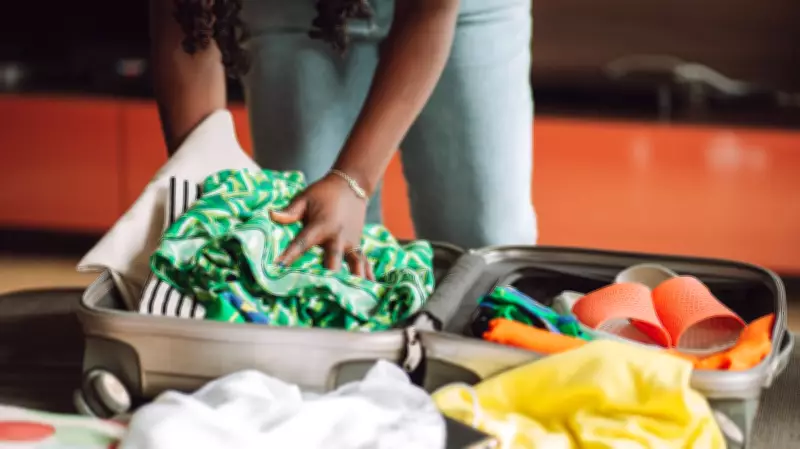
"Leave the giant suitcase at home," urged Tomiko Harvey, founder of Passports & Grub. "You'll drag it over cobblestone hills, through narrow alleys, and into tiny, elevator-less hotel rooms." She recommended midsize luggage to avoid hauling excessive baggage and enjoy train rides, ferry trips, and walking tours.
"Trains often have limited luggage space," noted Jesse Neugarten, CEO of Dollar Flight Club. "Stick to a carry-on and pack layers to save time, money, and stress."
Consider your itinerary when choosing luggage, added Katy Nastro of Going. "Will you walk 20 minutes to your Airbnb after public transport, or can you take an Uber easily? A small carry-on or backpack helps with ground transport and avoids checked bag fees on budget airlines with strict size limits."
Hair Tools
"Leave that Airwrap at home," said Fora adviser Gabrielle Brechner. "It rarely works, even with a converter, and you'll end up carrying it needlessly." Instead, use hotel hair dryers, book salon appointments, or purchase tools locally.
"You can buy a European hair tool at Boots for 30 euros," mentioned Fora adviser Aleksandra Coric. Get creative with smaller products: La Carmina uses serum for smooth hair and heatless curling techniques to avoid irons.
Excessive Clothing
"Don't waste luggage space on new outfits you think you'll need," advised Gabby Beckford of Packs Light. "If you love shopping, pack basics like underwear, socks, and walking shoes, then buy the rest locally. Shopping in Europe is part of the fun."
Prices can be comparable to the U.S., and you can buy for actual weather conditions. Clothes also make meaningful souvenirs. "Keeping it light means no checked bags, saving time and hassle," said Sarah Dines of Viator. "It's easier to navigate trains, stairs, and cobblestones with less weight."

Remember, laundry is an option. "We often overpack for imagined scenarios," Nastro observed. "Unless for a special event, you'll likely wear items on repeat." Choose versatile, comfortable pieces and limit accessories. "I leave numerous jewelry options at home," Brechner said. "Pick one look or buy jewelry on vacation."
Too Many Adapters and Electronics
"You don't need a bag full of plugs," Neugarten stated. "Bring one universal adapter." USB outlets are now common, reducing the need for bulky adapters. "Skip voltage converters," said Sarah Silbert of Points Path. "Most modern devices are dual-voltage and charge via USB chargers or travel power strips."
Avoid electronics that only work on North American voltage. "My portable steamer was useless in Portugal," Dines recalled. "Lesson learned—with wrinkled shirts."
Full-Size Toiletries
"Skip full-size bottles and opt for travel-sized toiletries," recommended Reesa Avelino of Goway Travel. "Many hotels provide decent shampoos, soaps, and lotions, or you can purchase necessities upon arrival."
Consider buying toiletries locally. "Just hit the pharmacy when you arrive," Funk suggested. "EU pharmacies offer great, affordable skincare, and sunscreen options are superior to those in the U.S."
Excess Cash and U.S. Dollars
"Europe and the U.K. are very card-friendly," noted Bryan Lewis of Tenon Tours. "If taking cash, bring small denominations for tipping." Dunch added that even previously cash-heavy destinations like Italy and Greece now have tap-to-pay options.
Remove U.S. dollars from your wallet before traveling. "If cash is needed, they expect local currency," Dunch explained. "Leave greenbacks at home and use digital wallets like Google Wallet or Apple Pay." For credit cards, Belau advised leaving American Express behind, as it is less widely accepted than Mastercard or Visa in Europe.
Workout Gear
"In European cities, you'll easily walk 20,000+ steps daily just by exploring," Lewis said. "Walking is integral to European life, so extra workouts are unnecessary unless training for an event." Leave gym shoes and clothes at home.
Heavy Denim in Summer
"Don't bring denim in summer," Funk warned. "Much of Europe has limited air conditioning, and jeans are hot. Most apartments lack dryers, so jeans may never dry in humid conditions." Opt for lighter fabrics like cotton and linen instead.