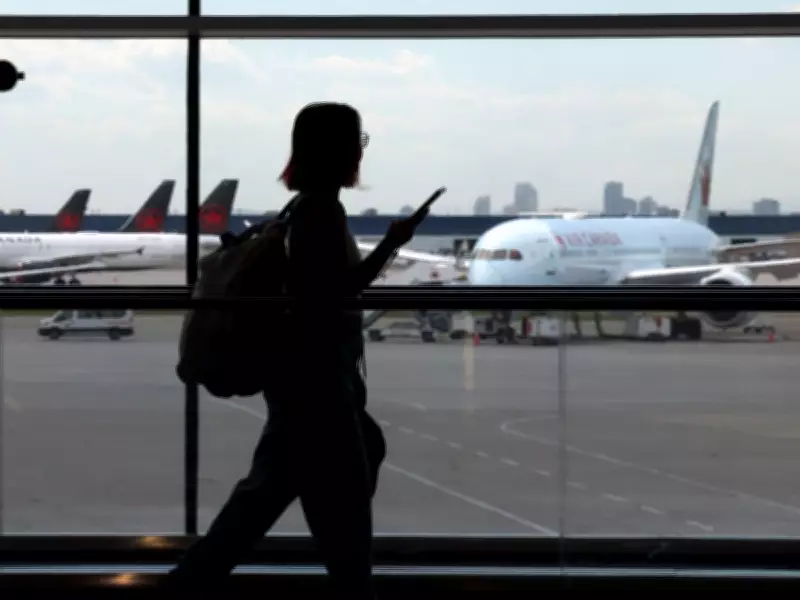
Trump's Political Rhetoric Reshapes Canadian Travel Patterns
Spring may be approaching, but the frost in Canada-U.S. relations shows no signs of thawing. Over the past year, Canadian patriotism has surged in response to Donald Trump's provocative comments, including his "51st state" rhetoric and references to Prime Minister Mark Carney as Canada's future governor. This political climate has significantly impacted travel preferences among Canadian citizens.
Statistical Evidence of Travel Shift
According to Statistics Canada data, Canadian return trips to the United States declined by 25.4% in 2025 compared to 2024 levels. Meanwhile, overseas travel increased by just over 9% during the same period. The most substantial reductions occurred in border crossings by automobile, though air travel also experienced notable declines.
While overall overseas air travel for Canadians increased by more than 10%, U.S.-bound air travel specifically dropped by 18.7% in December 2025 alone. Summer months witnessed approximately 20% decreases in air travel to American destinations. As Canadians plan their 2026 spring break vacations, this trend away from U.S. travel appears to be continuing.

Alternative Destinations Benefit
According to Airalo, an eSIM provider serving global travelers, Canadian tourism to France, Japan, and Mexico experienced substantial growth last year. This shift represents a significant reorientation of Canadian travel preferences away from traditional American destinations toward international alternatives.
Economic Consequences for U.S. Tourism
The decline in Canadian visitors has created substantial challenges for tourism-dependent regions in the United States. Aaron Klein, senior fellow at the Brookings Institution, emphasized that "international tourism is America's third-largest export. That's how it's counted in GDP... it's a bigger export for America than cars."
Las Vegas, which relies on Canadian tourists as its primary international visitor source, experienced a 25% decline in Canadian travel between April and July 2025. This reduction potentially resulted in $535 million in lost revenue, according to a report Klein co-authored in October 2025.
Employment Impacts and Regional Effects
In American regions where Canadians comprised at least one percent of visitors in 2024, employment decreased by approximately six percent by mid-2025. This decline translated to an estimated national loss of 14,000 to 42,000 jobs. The top four states for Canadian visitors in 2024—New York, Florida, California, and Nevada—have been particularly affected by this travel reduction.
Traveler Perspectives and Concerns
Canadian travelers cite geopolitical tensions and safety concerns as primary reasons for avoiding U.S. destinations. Tracy Lamourie, a publicist from Toronto, expressed her apprehension: "I would be more stressed on the plane going in, anticipating the trip and what might happen during it." She added, "It just doesn't feel like a safe holiday destination. It doesn't seem fun."
Lamourie, who divides her time between Ontario and Malta, previously traveled frequently to the United States for both business and leisure. She now prefers European destinations for vacations and arranges overseas work events on the continent instead. Her concerns include border security issues and safety considerations, particularly referencing ICE raids and shootings in Minnesota and other locations that have received international media coverage.
Another Canadian media professional, who requested anonymity, explained that she no longer travels to the United States because, as a journalist who has written about Trump, she fears being accused of working illegally in the country or having her social media accounts scrutinized.
Broader Implications
This travel shift represents more than just changing vacation preferences—it reflects deeper geopolitical tensions affecting economic relationships between neighboring nations. As Canadians increasingly choose destinations beyond their southern border, the economic consequences continue to ripple through American tourism industries while benefiting alternative international destinations.