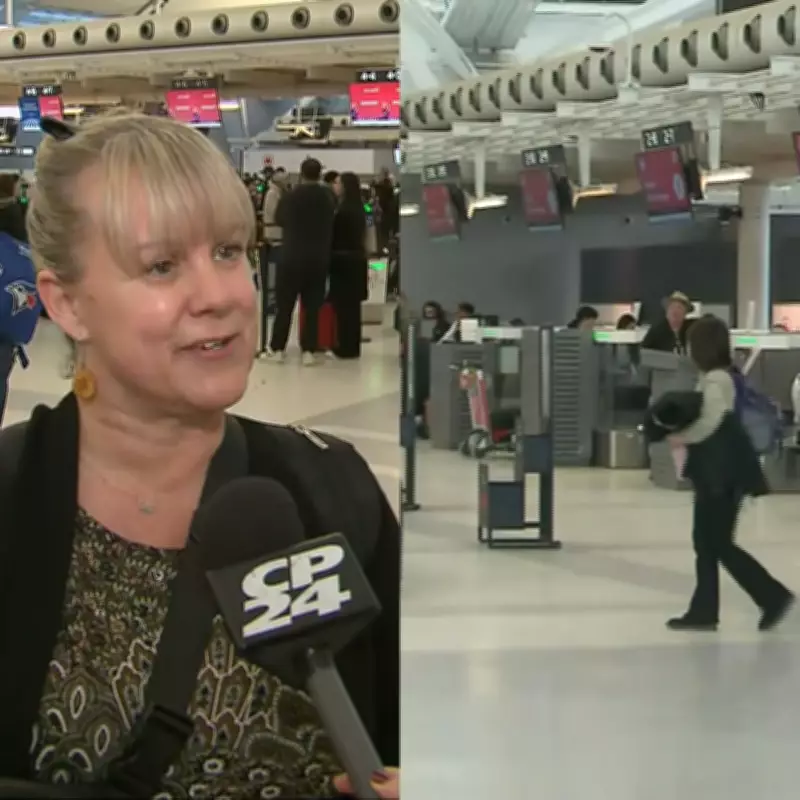
Tourists from Ontario, Canada, are reporting a sense of security while traveling to eastern parts of Mexico, even as federal advisories and recent incidents highlight escalating dangers in other regions of the country. This perspective emerges amid a backdrop of flight cancellations and warnings, particularly affecting destinations like Puerto Vallarta on the Pacific coast.
Diverging Experiences Across Mexico
While Canadian authorities have urged citizens to "keep a low profile" due to violent outbreaks linked to cartel activity, many travelers from the Toronto area describe their experiences in eastern Mexico as markedly calm and secure. These accounts contrast sharply with reports from western areas, where violence has led to disrupted travel plans and heightened anxiety.
Impact on Travel and Tourism
The situation underscores the complex and varied security landscape within Mexico. Eastern destinations, including popular spots along the Caribbean coast, appear to be maintaining relative stability, allowing tourists to enjoy their vacations without significant concern. However, the broader travel environment remains fraught with uncertainty, as evidenced by cancelled flights to and from locations like Puerto Vallarta, where a British Columbia man described a "chaotic" scene.

Canadian Foreign Minister Mélanie Joly is scheduled to address the security situation in Mexico, reflecting the government's ongoing monitoring and response to these developments. Travelers are advised to stay informed through official channels and exercise heightened caution, especially in areas with known security issues.
Broader Context of Safety Concerns
The mixed reports from tourists highlight the importance of regional distinctions when assessing travel risks. While eastern Mexico may currently offer a safer alternative, the overall advisory from Global Affairs Canada remains in effect, emphasizing the need for vigilance across the country. This dichotomy presents a challenge for both travelers and officials striving to balance safety with the economic benefits of tourism.
As the situation evolves, the experiences of Ontario tourists serve as a reminder of the nuanced realities facing international travelers in regions affected by internal conflict. Continued updates from authorities and firsthand accounts will be crucial for those planning future trips to Mexico.