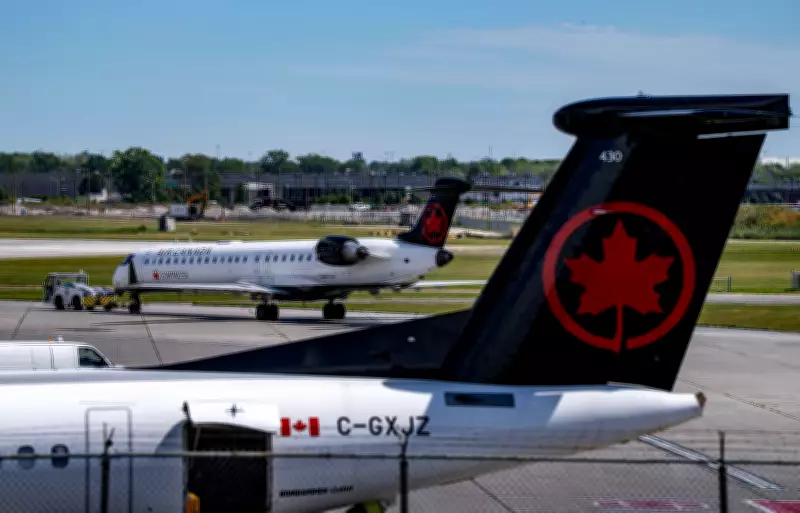
How Global Conflict and Soaring Flight Costs Are Reshaping Canadian Travel Habits
In a significant shift driven by global instability and economic pressures, Canadians are fundamentally altering their travel patterns. Soaring flight costs and ongoing international conflicts have prompted a move away from long-haul international trips toward more domestic and regional destinations.
Economic and Geopolitical Factors Driving Change
The combination of rising airfare prices and geopolitical tensions has created a perfect storm for the travel industry. Airlines have increased ticket prices due to higher fuel costs and operational expenses, making international travel less accessible for many Canadians. Simultaneously, conflicts in various regions have led to safety concerns, further discouraging overseas vacations.
This trend is evident in recent data showing a decline in bookings to traditional hotspots like Europe and Asia, with a corresponding rise in interest for destinations within Canada and nearby countries such as the United States and Mexico. Travel experts note that Canadians are opting for shorter, more affordable trips to mitigate financial strain.

Impact on Domestic Tourism and Regional Travel
As international travel becomes less feasible, domestic tourism is experiencing a boost. Provinces like British Columbia, Ontario, and Quebec are seeing increased visitor numbers as residents explore local attractions. This shift supports local economies but also places pressure on infrastructure and resources in popular areas.
Regional travel within North America has also gained popularity, with road trips and train journeys becoming preferred alternatives to flying. This change reflects a broader desire for cost-effective and flexible travel options amid uncertain times.
Long-Term Implications for the Travel Industry
The evolving travel patterns could have lasting effects on airlines, hotels, and tourism-dependent businesses. Industry stakeholders are adapting by offering more competitive domestic packages and promoting off-peak travel to attract budget-conscious consumers.
Moreover, this trend highlights the resilience of Canadian travelers, who are finding innovative ways to satisfy their wanderlust despite challenges. As global conditions remain volatile, these adjustments may become permanent features of the travel landscape.
In summary, the intersection of economic factors and geopolitical unrest is reshaping how Canadians approach travel, with a clear pivot toward affordability and safety in their vacation choices.