Cruise Passengers Face New Fuel Surcharges as Oil Prices Soar
The ripple effects of escalating oil prices are now reaching cruise passengers, with several major cruise lines implementing new fuel surcharges in response to geopolitical tensions in the Middle East. This development follows similar moves by airlines, highlighting how global energy markets are impacting travel costs across multiple sectors.
Direct Impact on Cruise Bookings
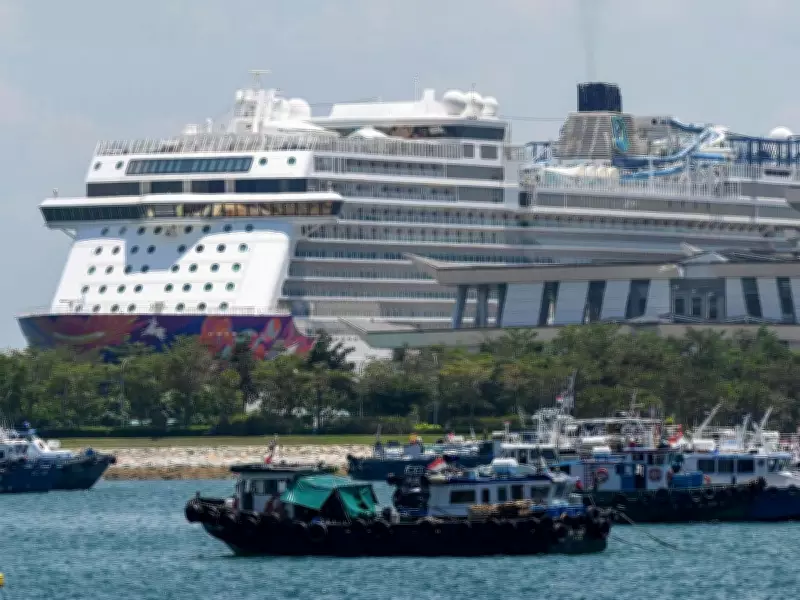
StarCruises and Dream Cruises, both operated by Resorts World Cruises, have notified passengers of new fuel surcharges applied to bookings made on or after March 20. The companies cited "recent geopolitical developments in the Middle East" that have caused oil prices to increase significantly, leading to higher fuel and related expenses.
StarCruises is adding a fee of 200 Hong Kong Dollars per person per night (approximately $35), while Dream Cruises is charging an additional 15 Singapore Dollars per person per day (roughly $16) on sailings of the ship Genting Dream from Port Klang, Malacca, and Singapore.

These surcharges can add up quickly for families. On a five-night cruise, a family of four could face an additional fee of approximately $700, significantly impacting travel budgets.
Additional Cruise Lines Following Suit
River cruise line CroisiEurope has announced it will add a surcharge of US$5.28 per person, per day, for passengers departing from now until April 14. While no other major cruise lines have implemented similar charges yet, many reserve the right to do so in their booking terms.
Norwegian Cruise Line specifies on its website that it may impose a fuel supplement of up to US$10 per passenger per day "without prior notice" if the price of West Texas Intermediate crude oil increases above US$65 per barrel. With oil prices recently topping US$100 per barrel, this threshold has been significantly exceeded.
Industry Protection Measures Vary
The cruise industry's vulnerability to fuel price fluctuations varies by company. Both Royal Caribbean Group and Norwegian Cruise Line have hedged approximately half of their fuel needs for 2026, meaning they have locked in prices through financial contracts that provide some protection against market volatility.
However, Carnival Corporation, the world's largest cruise company, does not hedge fuel, leaving it more exposed to soaring costs. Royal Caribbean also reserves the right to impose fuel supplements on new and existing bookings, though their hedging strategy provides some buffer.
Geopolitical Roots of Price Increases
The current oil price volatility stems from Iran's closure of the Strait of Hormuz, a critical waterway through which approximately one-fifth of global oil supply passes. This strategic chokepoint's closure has disrupted global energy markets and driven prices upward.
The situation remains tense, with U.S. President Donald Trump threatening consequences for Iran if it does not make a deal to open the Strait by 8 p.m. ET on Tuesday. In social media posts, Trump warned that "a whole civilization will die tonight, never to be brought back again," though he expressed hope this outcome could be avoided.
Uncertain Future for Travel Costs
For now, it remains unclear when or if oil prices will ease, leaving travelers uncertain about future surcharges. The cruise industry's response to these market conditions demonstrates how geopolitical events can directly impact consumer costs, even for leisure activities traditionally viewed as insulated from such fluctuations.
As companies navigate these challenging market conditions, passengers are advised to carefully review booking terms and potential additional charges when planning cruise vacations. The situation serves as a reminder of how interconnected global events have become with everyday consumer experiences.