Calgary Tourists Caught in Chaotic Cuban Evacuation Amid Fuel Crisis
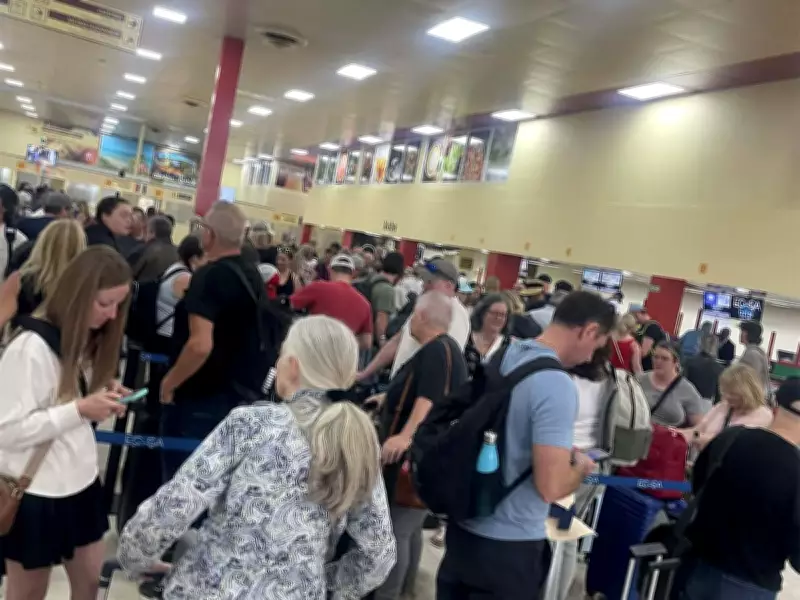
Canadian travellers from Alberta, particularly those from Calgary, are experiencing significant disruptions as they scramble to return home from Cuba. This sudden exodus comes in response to a deepening fuel shortage on the Caribbean island, triggered by a U.S. blockade that has severely curtailed oil deliveries. The situation has forced major airlines to suspend operations, leaving tourists in limbo and local communities anxious about their economic survival.
Airlines Mobilize Emergency Operations to Retrieve Stranded Passengers
In an unprecedented move, Canadian carriers including WestJet, Air Canada, and Air Transat have halted all flights to Cuba. These airlines have initiated emergency measures, deploying empty aircraft to evacuate passengers. To overcome the fuel scarcity at Cuban airports, they are utilizing fuel tanker aircraft to provision planes, ensuring that stranded travellers can be safely transported back to Canada.
The logistical challenges are immense, with many passengers facing unexpected layovers and route changes. For instance, Calgarian Ashley Cardinal, who was at Varadero Airport awaiting a WestJet flight, discovered that her direct return to Calgary was no longer possible. Instead, she and other passengers were informed they would need to fly first to Montreal or Toronto, adding complexity and stress to an already tense situation.

Tourists Describe Confusion and Last-Minute Changes
Ashley Cardinal shared her experience, noting that communication from airlines like Sunwing and WestJet was often lacking. She relied on Facebook groups for updates, describing the entire trip as chaotic from start to finish. Initially, during a visit to Havana, she observed long lineups at gas stations but felt that tourist areas were relatively unaffected. However, the cancellation of flights dramatically altered the landscape, prompting her to advise fellow Canadians to reconsider travel plans.
Cardinal highlighted the human impact, stating, "The locals are scared of what is to come, and stressed how much they need the work to survive working in tourism and that all the cancellations are really hurting them." Before departing, she distributed her remaining Cuban cash to grateful locals, underscoring the economic desperation faced by many residents.
Local Communities Brace for Economic Hardship
The fuel crisis and subsequent flight suspensions threaten to devastate Cuba's tourism-dependent economy. Locals who rely on tourist dollars for their livelihoods are expressing profound fear about the future. As one resident implied, people could starve if the situation persists, emphasizing the urgent need for stability and support.
Amy Harris, another southern Albertan, had her April trip to Cuba cancelled, suggesting that the travel suspension might extend for a considerable period. Harris, who made friends during a January visit, had planned to return with suitcases full of clothing and medicine for locals. She expressed devastation not only for her cancelled plans but also for the Cuban people who depend on tourism for essential goods.
Airlines Remain Cautious Amid Ongoing Uncertainty
Airlines have refrained from providing a specific timeline for resuming flights to Cuba, citing the need to monitor the evolving situation closely. The blockade's impact on fuel supplies has created an unpredictable environment, making it difficult to forecast when normal operations might resume. This uncertainty leaves both travellers and the tourism industry in a state of limbo, with potential long-term consequences for bilateral travel and economic relations.
The crisis serves as a stark reminder of how geopolitical tensions can directly affect everyday citizens and local economies. As Calgary travellers navigate their way home, the broader implications for Cuban communities and international tourism continue to unfold, highlighting the interconnectedness of global events and personal experiences.