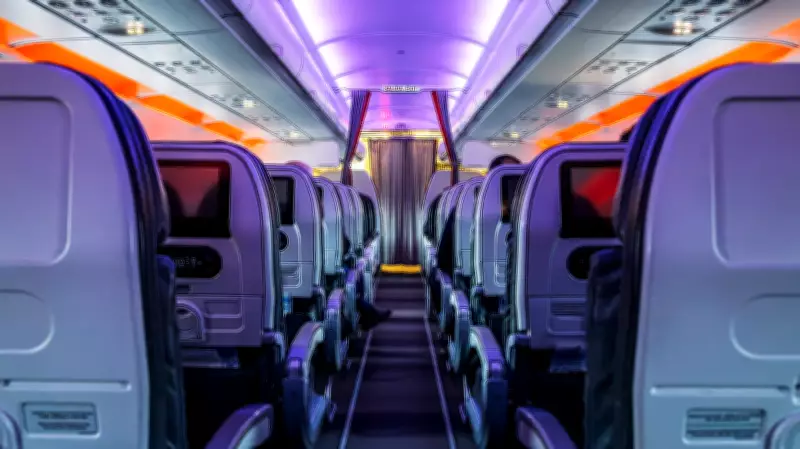
Traveling can often feel like a direct route to falling ill, with crowded airports, confined spaces, and new environments increasing your exposure to viruses and bacteria. For those who are more susceptible to sickness, this risk is even higher. While many travelers rely on masks or hand sanitizer for protection, or simply hope for the best, doctors and infectious disease experts highlight a crucial precaution often overlooked: your choice of airplane seat. Specifically, avoiding one seat and opting for another can significantly impact your chances of staying healthy.
The Airplane Seat Experts Say Is a Germ Magnet
According to medical professionals, the aisle seat is the worst offender when it comes to germ exposure. Dr. Jarod Fox, an infectious disease physician with Orlando Health, explains, "While the aisle seat may seem convenient for frequent lavatory visits, it places you in closer contact with more passengers on the plane." This sentiment is echoed by Dr. Ashley Drews, a system epidemiologist at Houston Methodist, who notes, "Aisle seats expose you to everyone walking past, up and down the aisle."
Research from Emory University supports this, showing that 40% of passengers get up once during a flight, and 20% do so two or more times, increasing the likelihood of airborne pathogens spreading through coughs, sneezes, or even breathing. Additionally, surface exposure is a concern. Dr. Jen Caudle, a board-certified family medicine physician, warns, "Not only do you touch and potentially transfer germs to your armrest, but others may hold onto it during turbulence when heading to the restroom."

The Best Airplane Seat for Minimal Germ Exposure
For those seeking to reduce their risk, the window seat is the optimal choice. Dr. Drews advises, "I’d recommend booking the window seat. Studies, though limited, indicate it is the safest in terms of acquiring infections." Dr. Caudle adds that this seat limits exposure to fewer people in your row, reduces armrest contact, avoids direct bathroom traffic, and allows you to lean against the wall without being brushed past.
However, it's important to note that no seat offers zero risk. Dr. Fox emphasizes, "You can get infected no matter where you sit, as those closest to you present the highest risk." Dr. Drews further explains that the most critical factor is whether you're seated next to an infectious person, with seats in front and behind being the next most significant. Since this is often out of your control, opting for the window seat is a practical step to minimize exposure.
Other Tips for Staying Healthy on an Airplane
Travel inherently increases germ exposure, making illness prevention a priority. While complete safety is unattainable, doctors recommend these practices to lower your risk:
- Wash hands with soap and water or use alcohol-based sanitizer before eating and after security checks.
- Pack disinfecting wipes to clean tray tables, armrests, and seat buckles.
- Avoid touching your face and unnecessary surfaces.
- Wear a mask, especially in close quarters.
- Do not fly if you are sick.
- Stay hydrated to counteract the dehydrating effects of flying.
- Prepare stress-free activities like downloading movies or packing a book.
- Sneeze and cough into your elbow to protect others.
- Change clothes after the flight.
These steps are vital for all travelers, but Dr. Drews notes that immunocompromised individuals or those with heart or lung conditions should be especially vigilant. In summary, when planning your next trip, prioritize booking a window seat over an aisle seat to enhance your health defenses during air travel.