From Childhood Bride Fantasies to Adult Healing
At just 14 years old, Abigail Freshley penned her first letter to "My Future Husband," embarking on a six-year journey that would accumulate over 100 such letters. This practice, rooted in her upbringing within 1990s and 2000s evangelical Christianity, was heavily influenced by purity culture—a movement advocating sexual abstinence until marriage, modesty, and traditional gender roles. For many young women like Abigail, this culture mandated a focus on swift, Christ-centered marriages, particularly for girls, shifting away from casual dating.
The Early Years: Dressing Up and Dreaming Big
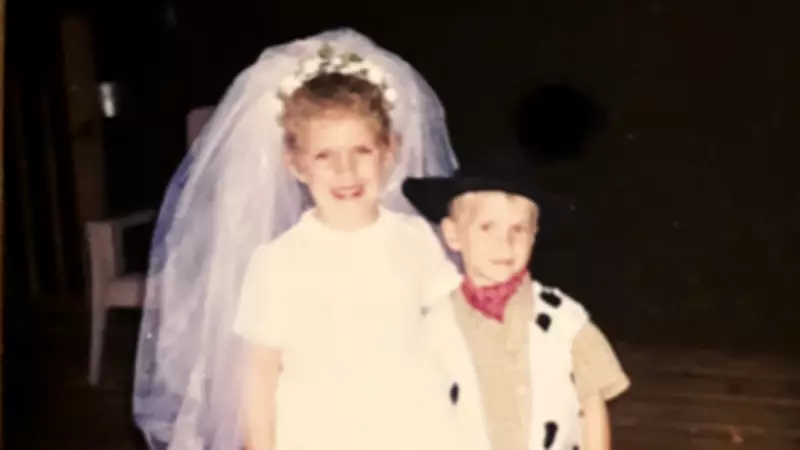
Abigail's fascination with marriage began in childhood. Her grandmother sewed her a child-sized wedding dress, complete with a train, lace trim, pearls, and a veil. Dressed in this attire, she spent hours playing Bride in the living room, mimicking scenes from daytime soaps and singing songs about womanhood and weddings. While such imaginative play is common among children, for Abigail, it represented more than just dress-up. Zipping up the white polyblend dress, she felt a sense of great power, associating being a bride with visibility, honor, and adoration.
Her childhood was largely positive, with loving parents, but it also included unique challenges. As a preteen, she navigated typical adolescent struggles, like shopping in women's sections and battling curly hair with straighteners. However, her life was also shaped by intense religious teachings, attending church at least three times a week and feeling responsible for saving non-Christian classmates from spiritual peril. Additionally, a family crisis emerged when her younger brother nearly died from liver failure at age five, triggering ongoing health issues that impacted her family dynamics.

The Fantasy of Marriage as Power and Purpose
As Abigail outgrew the little white dress, her fantasy of marriage persisted, reinforced by religious doctrines emphasizing purity, obedience to God, and submission to a husband. Within a high-control, patriarchal faith, she sought marriage as an escape from feelings of powerlessness and fear. In her world, marriage symbolized agency, purpose, and an achievable fantasy, given that most adults she knew were married. This belief led her to write those cringeworthy letters, waxing poetic about her virginal purity as a "special gift" for her future groom.
After six years, she stopped writing, stored the letters, and largely forgot about them. Fast forward 16 years, and Abigail, now married but no longer an Evangelical Christian, rediscovered them. With her husband Zach, she began reading the letters aloud, sharing them with an online audience through TikTok. This act has been both excruciating and liberating, revealing content ranging from salacious gossip to melodramatic tales of imagined poverty-stricken couples.
Healing Through Humor and Shared Stories
So far, Abigail has read 38 letters online, sparking a wave of resonance among countless women who share similar experiences. Many have thanked her for her bravery, though she credits the real courage to her teenage self, who survived deconstructing a belief system that once defined her identity. For Abigail, healing has been the bravest act, and each shared letter brings more of it. Laughing with Zach over the dramatic entries, she finds irony in how the letters, meant to connect with a future husband, now serve that purpose in an unexpected way.
Reflecting on her journey, Abigail has grown from a teen whose wildest dream was having a husband to obey into a woman who recognizes that being a wife is the least interesting aspect of her life. She hopes her story inspires others, especially those deconstructing harmful internalized beliefs, to find power, agency, and purpose beyond marital roles. Initially shared for laughs, her letters now aim to foster healing and empowerment.