What Canada's Olympic Couples Reveal About Building Strong Relationships
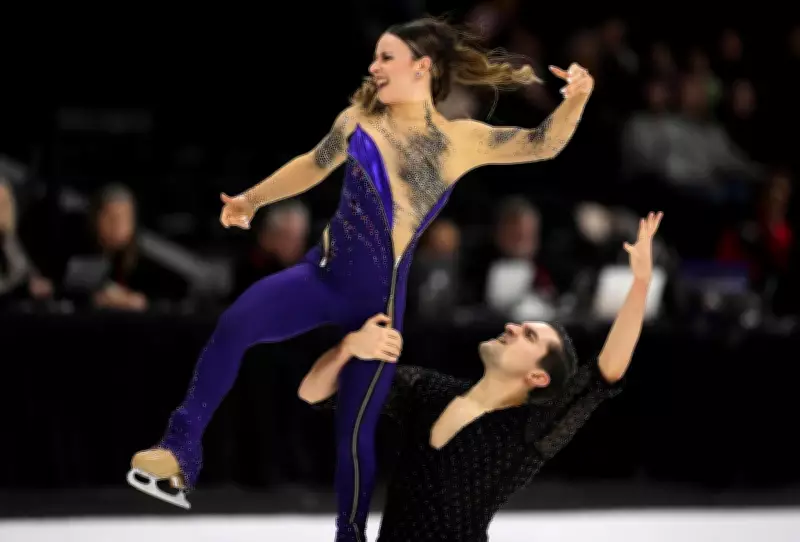
As the 2026 Winter Olympics approach, Canadian athletes like ice dancers Marie-Jade Lauriault and Romain Le Gac are not only showcasing their skills on the ice but also offering valuable lessons about relationships. Their performance at the 2026 Canadian National Skating Championships in Gatineau, Quebec, highlights how partnerships built on trust and communication can thrive under pressure.
The Foundation of Olympic Partnerships
Olympic couples, whether in figure skating, skiing, or other sports, often spend years training together, facing intense scrutiny and high stakes. This environment requires a deep level of mutual understanding and support. For instance, Lauriault and Le Gac's rhythm dance exemplifies how synchronized movements and emotional connection are essential for success. These elements translate directly to everyday relationships, where alignment in goals and emotional attunement can foster resilience.
Key Lessons from Athletic Duos
Experts point to several traits that make Olympic couples effective, which can be applied broadly:

- Trust and Reliability: In sports like ice dancing, one misstep can lead to failure, so partners must rely on each other implicitly. This mirrors how trust in personal relationships builds security and reduces conflict.
- Effective Communication: Athletes constantly communicate during performances, using verbal and non-verbal cues. Similarly, open dialogue in relationships helps navigate challenges and strengthen bonds.
- Shared Goals and Commitment: Olympic pairs work toward common objectives, such as winning medals, which requires dedication and compromise. In life, aligning on shared values and aspirations can enhance partnership satisfaction.
- Resilience Under Pressure: Facing public scrutiny and competition, these couples learn to manage stress together. This resilience is crucial for overcoming obstacles in any relationship.
Broader Implications for Society
Beyond individual lessons, the success of Canadian Olympic couples reflects broader societal values. Their stories promote themes of teamwork and perseverance, which are relevant in contexts like family dynamics or workplace collaborations. As more teens report issues in romantic relationships, as noted in recent health reports from Montreal, these athletic examples offer positive models for healthy interaction.
In summary, while not every couple will compete on an Olympic stage, the principles demonstrated by athletes like Lauriault and Le Gac provide actionable insights. By fostering trust, communication, and shared purpose, individuals can build stronger, more fulfilling relationships in all areas of life.