Palmerston, the U.K.'s Celebrated 'Diplocat,' Passes Away in Bermuda
The United Kingdom's diplomatic community is mourning the loss of a beloved non-human member. Palmerston, the famous Foreign Office cat renowned as one of the nation's top 'diplocats,' has died in Bermuda. His passing was confirmed on February 17, 2026, marking the end of an illustrious career that captured public imagination and media attention across Britain and beyond.
A Feline Figure in Diplomatic Circles
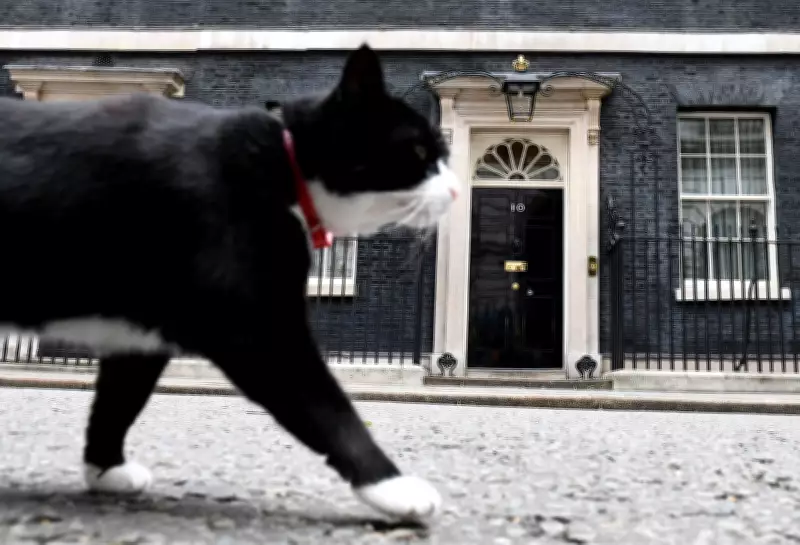
Palmerston rose to prominence as the official resident cat at the U.K. Foreign Office, where he became known for his distinctive presence and media-savvy demeanor. The charismatic feline frequently made appearances around government buildings, including memorable strolls past 10 Downing Street where he would often engage with waiting journalists and photographers. His ability to command attention during official events earned him the affectionate nickname 'diplocat' among Foreign Office staff and international observers alike.
Media records show Palmerston at the height of his popularity during June 2017, when he was photographed stalking past the Prime Minister's residence in central London, demonstrating the unique blend of official duty and feline independence that characterized his tenure. His presence provided a whimsical counterpoint to the often-serious nature of diplomatic work, offering both staff and visitors a moment of levity amid complex international negotiations.

Life and Legacy of a Celebrity Cat
While specific details about Palmerston's age and cause of death haven't been officially disclosed, his passing in Bermuda suggests he may have been enjoying retirement in warmer climates after his years of service in London. The Foreign Office cat program has historically featured several notable felines, but Palmerston distinguished himself through his particular brand of charm and his uncanny ability to appear during significant diplomatic moments.
What made Palmerston particularly remarkable was how he transcended the typical role of an office pet to become a genuine diplomatic personality in his own right. His media appearances and public interactions helped humanize the often-opaque world of international relations, creating bridges between formal diplomacy and public engagement through his accessible, non-political presence.
The End of an Era
Palmerston's death represents more than just the passing of a beloved pet; it marks the conclusion of a distinctive chapter in British diplomatic history. His tenure coincided with significant political events and changes in international relations, during which he served as a constant, comforting presence at the Foreign Office. Staff members and regular visitors to the department often remarked how Palmerston's appearances could lighten the mood during tense periods or difficult negotiations.
The tradition of diplomatic cats continues at various government offices worldwide, but Palmerston's particular combination of media awareness, public appeal, and official presence created a legacy that will be difficult to match. His passing has prompted reflections on the unique role animals can play in human institutions, particularly in high-pressure environments like diplomatic services where their presence can provide emotional balance and public connection.
As news of his death circulates, tributes are expected from diplomatic circles, animal welfare organizations, and the many members of the public who followed his career through media coverage over the years. Palmerston's life demonstrated how even the most formal institutions can benefit from moments of unexpected warmth and personality, proving that diplomacy isn't exclusively human territory.