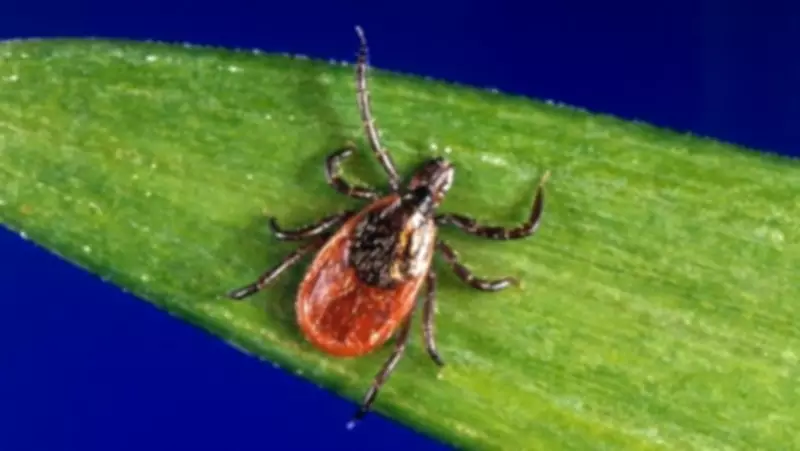
As warmer weather emerges across the country, the annual tick season has officially returned, posing significant health risks to pets. Veterinary experts and animal care professionals are urging pet owners to implement robust prevention strategies to protect their dogs and cats from these parasitic pests.
The Growing Threat of Ticks
Ticks are not merely a seasonal nuisance; they represent a serious health hazard for animals. These arachnids can transmit various diseases, including Lyme disease, anaplasmosis, and ehrlichiosis, which may lead to severe complications if left untreated. The expanding geographic range of tick populations, attributed to climate change and other environmental factors, has made this issue increasingly prevalent in many regions.
Essential Prevention Measures
Proactive prevention remains the most effective approach to safeguarding pets. Here are key strategies every pet owner should consider:

- Regular Tick Checks: Conduct thorough inspections of your pet's coat after outdoor activities, paying particular attention to areas like ears, neck, and between toes where ticks commonly attach.
- Preventative Medications: Consult with your veterinarian about appropriate tick prevention products, which may include topical treatments, oral medications, or tick collars designed to repel or kill parasites.
- Environmental Management: Maintain your yard by keeping grass trimmed, removing leaf litter, and creating barriers between wooded areas and recreational spaces to reduce tick habitats.
- Vaccination Considerations: Discuss with your veterinarian whether Lyme disease vaccination is appropriate for your pet based on local risk factors and your animal's specific health profile.
Recognizing and Responding to Tick Bites
Despite best prevention efforts, ticks may still find their way onto pets. Prompt and proper removal is crucial to minimize disease transmission risk. Use fine-tipped tweezers to grasp the tick as close to the skin surface as possible, pulling upward with steady, even pressure. Avoid twisting or jerking motions that might leave mouthparts embedded. After removal, disinfect the bite area and monitor your pet for any signs of illness, such as lethargy, fever, or loss of appetite, which warrant immediate veterinary attention.
Comprehensive Pet Protection
Beyond tick-specific measures, maintaining overall pet health strengthens resilience against parasites and other threats. Ensure your pets receive regular veterinary check-ups, maintain appropriate vaccination schedules, and follow balanced nutrition plans. These foundational health practices support immune system function and enhance your animal's ability to withstand environmental challenges.
The return of tick season serves as an important reminder for pet owners to prioritize preventive care. By implementing these protective measures and remaining vigilant throughout the warmer months, you can significantly reduce risks and ensure your pets enjoy a safer, healthier season outdoors.