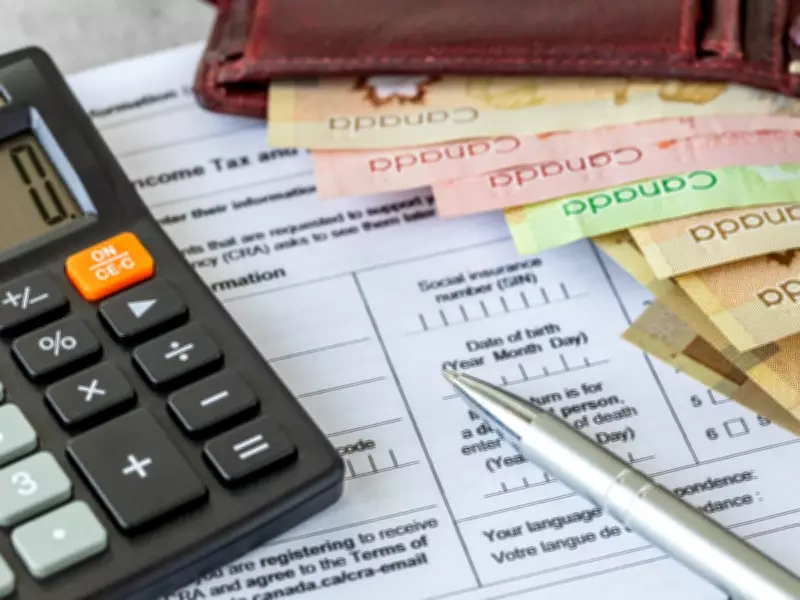
Overcoming Tax Procrastination: Simple Strategies for Stress-Free Filing
Filing your taxes often feels like a daunting, annual scramble that many postpone until the last minute. However, with a structured approach, this process can become a routine part of managing your finances, reducing stress and avoiding costly penalties.
Is There a Right Time to Start Your Taxes?
While the personal income tax deadline for most Canadians is April 30, waiting for the perfect moment to begin is a common pitfall. That ideal time rarely arrives, making it more effective to take a simple first step rather than delaying. Taxes can seem more complex than they are, which hinders getting started. Instead of aiming to complete your entire return at once, focus on initiating the process to build momentum.
Use the 10-Minute Rule to Counter Procrastination
When starting is the main obstacle, commit to a short, defined period of 10 to 15 minutes. This time is sufficient to log into tax software, locate last year's return, or gather necessary slips, whether in paper or electronic form. You can also check your CRA account to verify if employers or financial institutions have uploaded slips. The 10-minute rule is a deliberate strategy to combat procrastination; it's easy to do almost anything for just 10 minutes. Once begun, you can choose to continue or pause, making progress without feeling overwhelmed.

Break Tasks into Smaller, Manageable Steps
Rather than viewing your tax return as a single, imposing task, divide it into clear, smaller steps. Start by creating a workspace and setting up your laptop. Next, gather documents, enter information into tax software, and review for accuracy. Finally, file your return and save documents securely. Scheduling these steps over several days or a weekend provides structure and helps maintain momentum, reducing the feeling of being overwhelmed.
Create a Personalized Checklist for Efficiency
Many tax preparation programs offer generic checklists, but creating your own tailored list can be more helpful. Review last year's documents, such as income slips, medical receipts, banking records, and your previous notice of assessment, to recall what to include. For specific income types, like rental earnings, identify related deductible expenses. A concise, personal checklist simplifies current filing and serves as a useful reference for future years, enhancing organization.
Seek Support and Stay Involved in the Process
If you need assistance, consider using the auto-fill feature in certified tax software, which pulls information from the CRA. Ensure the software is approved for the current tax year by checking the CRA website. Depending on your situation, such as being a senior, student, or having limited income, you may qualify for free help from community tax clinics. Alternatively, working with a tax preparer or accountant is an option. No matter the method, stay involved, monitor fees, and learn from the process to avoid overlooking important details.
Plan Ahead If You Owe Money
Fear of owing money often leads to procrastination, but about 60% of Canadians typically receive a refund. Filing early provides more time to plan if you owe. If a balance is due, review your budget to determine payment speed. Consider selling unused items or contacting the CRA for payment arrangements. Proactive steps eliminate uncertainty, which can be more stressful than the actual amount owed, promoting financial stability.
Develop a Sustainable Annual Process
Filing taxes doesn't have to be a stressful scramble. By developing a repeatable process—such as breaking work into steps, starting early, and following a checklist—you can make tax time a routine part of money management. After filing, review tax withholdings on paycheques, especially after employment changes, to prevent surprises. With a proactive and organized approach, tax filing becomes easier and less overwhelming, setting you up for success year after year.