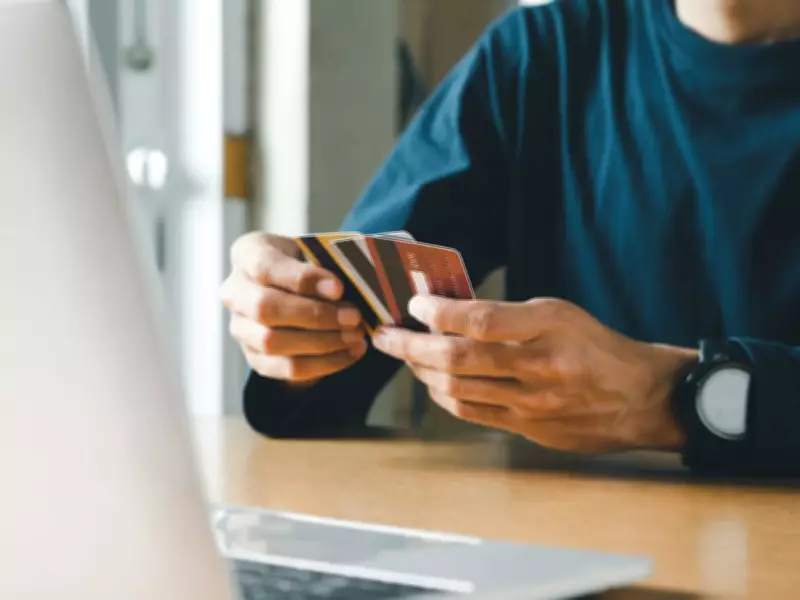
Winter often creates a deceptive financial landscape where elevated spending becomes normalized, quietly eroding household budgets through a combination of necessary expenses and discretionary upgrades. While the season encourages cozy indoor activities and slower daily rhythms, financial outflows frequently accelerate in ways that escape typical scrutiny.
The Normalization of Elevated Winter Spending
Mary Castillo, a financial expert, observes that many individuals inadvertently use credit lines or cards as seasonal shock absorbers during winter months. The psychological justification of winter expenses—whether for comfort, necessity, or recreation—often removes the critical examination typically applied to spending decisions at other times of year. This gradual acceptance of higher expenditures represents a form of lifestyle inflation that can systematically undermine long-term financial priorities.
Conducting a Comprehensive Winter Spending Audit
To counteract winter's frosty financial impact, begin with a thorough examination of seasonal costs. Review financial statements from the previous winter season, typically spanning January through April, and analyze the past four months of bills. Create a detailed inventory that includes:

- Increased utility expenses, particularly heating bills during cold snaps
- Holiday-related carryover balances from credit cards
- Travel expenditures for warm-weather getaways or mountain retreats
- Dining and entertainment costs during inclement weather
- Equipment upgrades for winter sports and activities
- Essential home services like snow removal and house-sitting
This comprehensive audit often reveals surprising patterns in discretionary spending that accumulate significantly when viewed collectively. Premium lift tickets, last-minute travel adjustments, upgraded winter apparel, and increased food delivery during storms represent typical areas where hundreds or thousands of dollars can disappear without deliberate planning.
Differentiating Seasonal Necessities from Lifestyle Creep
Winter introduces legitimate, predictable expenses that require strategic management rather than reactive financing. Essential costs typically include:
- Significant heating bill increases during extreme cold periods
- Vehicle maintenance requirements like winter tires, battery replacements, and windshield repairs
- Home maintenance including furnace servicing, roof repairs, and frozen pipe prevention
The crucial financial strategy involves treating these predictable seasonal expenses as sinking-fund items rather than unexpected surprises. Calculate your estimated annual winter-specific costs, divide by twelve months, and consistently allocate that amount to a dedicated high-interest savings account. This proactive approach ensures that when winter bills arrive, you can address them without disrupting investment contributions or resorting to high-interest credit options.
Strategic Planning for Winter Travel and Recreation
Winter travel represents one of the most substantial discretionary expense categories for many households. Whether pursuing Caribbean escapes or regular mountain excursions, these experiences provide valuable quality-of-life benefits that deserve intentional financial planning rather than impulsive spending.
Develop a recreation budget that aligns with your broader financial goals, considering advance booking discounts, loyalty program benefits, and off-peak travel opportunities. By approaching winter leisure activities with the same strategic planning applied to other financial priorities, you can enjoy seasonal experiences without compromising your long-term financial stability.
The fundamental principle for winter financial management involves recognizing that seasonal expenses—whether necessary or discretionary—should be anticipated and planned rather than reacted to with credit instruments. Through careful auditing, strategic saving, and intentional spending decisions, households can navigate winter's financial challenges while maintaining progress toward their broader financial objectives.