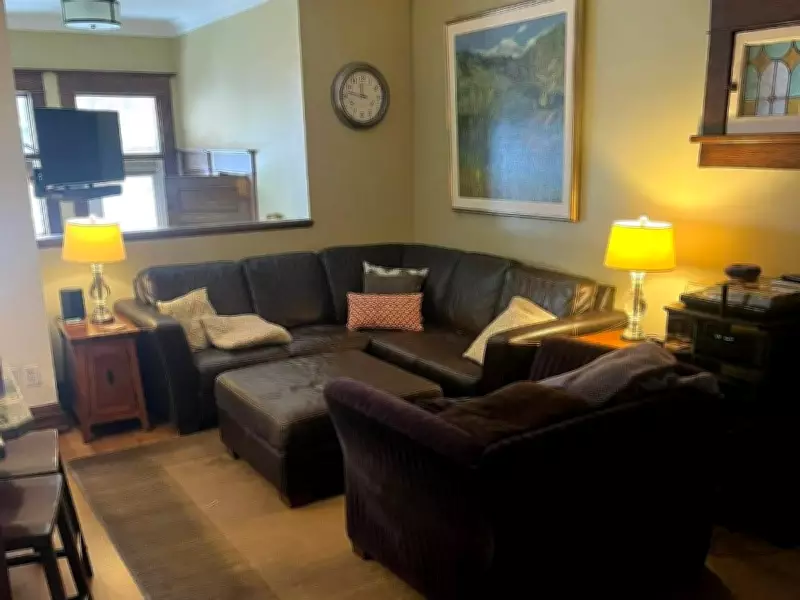
Updating a long, narrow living room presents unique challenges, but a strategic approach centered on minimalism can yield transformative results. According to design expert Virginie Martocq, the key lies in selecting fewer, larger pieces of furniture to maximize space and enhance functionality.
Understanding the Layout Challenges
Many homeowners, like Judy from Roncesvalles, face constraints with limited flexibility in furniture arrangement. In such spaces, often adjacent to open-concept kitchens with front window nooks, the living area tends to be elongated and confined. Martocq emphasizes that the existing layout is likely optimal, but efficiency can be improved through careful design choices.
Prioritizing Sustainability and Durability
For those committed to environmental responsibility and avoiding off-gassing, second-hand pieces are a viable option, though they require patience. Martocq recommends modular sofas from Canadian-owned Sundays Furniture, which focuses on sustainability and durability. Their custom sectional designs can fill the width of a nook, incorporating corner pieces and loungers along walls with small windows.

Choosing lighter-colored fabrics is advised for rooms with limited natural light, along with stain-resistant materials and machine-washable slipcovers for easy maintenance. The Sundays Get Together sofa with LiveLife performance fabric is highlighted as a pet-friendly choice that withstands dirt and wear.
Strategic Furniture Placement
To create a sense of spaciousness, Martocq suggests mirroring an L-shaped sofa arrangement across the room, placing loungers under windows and keeping the pieces farther apart. This configuration avoids clutter and enhances circulation, especially around radiators and doorways. Adding ottomans or upholstered cubes can connect these shapes in a modern way, providing flexible seating when needed.
Alternatively, a large U-shaped sofa that occupies the entire room can serve as a cohesive centerpiece. For additional functionality, a sofa table or low bookshelf behind secondary seating can be installed without obstructing pathways.
Optimizing Accessories and Decor
Replacing side tables with two rectangular coffee tables—one for each sofa—can streamline the space and improve accessibility. Martocq notes that eliminating side tables makes the room feel larger. For flooring, machine-washable rugs like the Cyrus rose gold option from Ruggable offer durability and style, nodding to traditional designs while being practical for households with pets.
Art placement should balance the room's aesthetics; positioning pieces to the right of windows can counterbalance larger artworks on the left, with furniture grounding the display. This approach ensures a harmonious and inviting environment.
In summary, updating a narrow living room involves embracing minimalism with fewer, larger furniture items, prioritizing sustainable and durable materials, and strategically arranging elements to enhance both form and function.