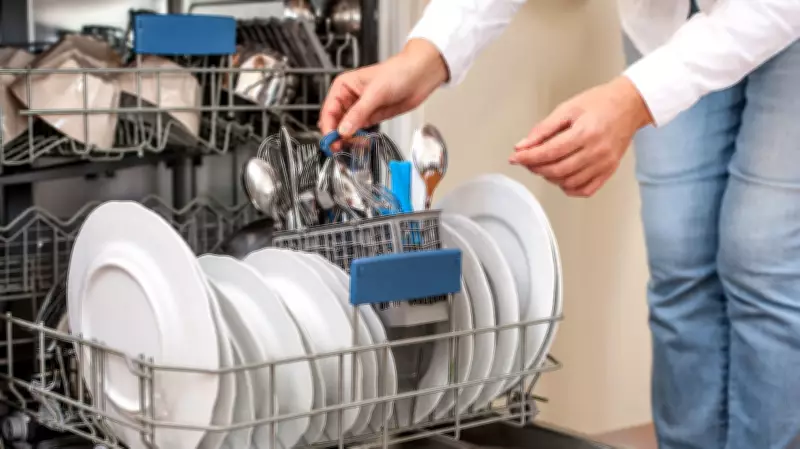
For countless individuals, loading the dishwasher transcends a mere household task; it becomes a potential source of domestic discord. The placement of dirty bowls, the orientation of spoons, and the residue left on pans can ignite passionate disagreements among loved ones.
The Emotional Impact of Dishwasher Loading
Carolyn Forté, executive director of the Good Housekeeping Institute's Home Care and Cleaning Lab, emphasizes that dishwasher habits significantly affect interpersonal dynamics. "If you're the type of person that wants to control the dishwasher and how it's loaded, and your partner isn't that fastidious, that can be a real bone of contention between couples or partners or whoever — even parents and kids," Forté explained during an appearance on HuffPost's "Am I Doing It Wrong?" podcast. "People are very passionate about it."
Fundamental Principle: Water Access Is Crucial
Drawing from over four decades of experience in Good Housekeeping's testing laboratories, Forté shared her essential dishwasher wisdom. "The biggest thing to think about when you're loading the dishwasher is if the water's not gonna hit it, it's not going to get clean," she stated. "So you just have to make sure that the water has access to everything in there. If you've got bowls on top of each other — not good."

Maximizing Your Dishwasher's Flexibility
Modern dishwashers offer adjustable components designed to optimize cleaning efficiency. "Use the racks. Most dishwashers today have flexible tines that bend up and down, or fold up and down, so you can put bowls down or you can put them up if you've got small bowls," Forté elaborated. "There are cup shelves that fold up or down to double tier, and [can give] you a double tier in the top rack. It's all to expand and give you more flexibility when it comes to loading. Just think, 'Is the water going to hit this?' And if it is, then you're good."
Common Loading Mistakes and Expert Solutions
Proper Glass Placement
Forté identifies glass loading as a frequent error. "Glasses should go not over the tines in the top rack, but against them," she advised. "So don't put a glass over, let's say, two tines. You feel like [putting it over the tines helps it] stand upright, but it could damage the glass, depending on how tight the fit is."
Placing glasses against the tines serves dual purposes: preventing breakage and ensuring water runoff. "[If you load them against the tines, the glasses are] usually at an angle, so the water [automatically] runs off," Forté noted, which minimizes unsightly water spots.
She also addressed cup bases that may trap water. "Sometimes you have a cup that has a little base on it and you end up with puddling in there [if you haven't loaded the glass correctly]. If it's a shallow base, usually that's not a problem, but sometimes it's a pretty hefty base and you get a puddle of water. If you think that's happening, make sure you unload the bottom rack first. That way when you pull the top rack out, the water doesn't go down all over everything."
The Cutlery Controversy
Silverware loading remains a highly contentious topic. "Years ago, you'd just have a basket in the bottom rack with all the different sections, and that's really where most of the confusion came from — up? Down? Whatever," Forté recalled.
For dishwashers featuring a top-tier flat rack, orientation matters less. "It's not as important if you put your flatware up there — how you put it in — because they're all just laying down, and they're all going to get clean."
However, for traditional bottom-rack baskets, Forté's research provides clear guidelines:
- Knives: Place point or blade down for safety and cleaning.
- Spoons: Alternate up and down to prevent nesting, which blocks water and detergent.
- Forks: Insert with tines up, but always unload by the handle to avoid contaminating clean utensils with unsanitized hands.
Organizing cutlery by type in the basket can streamline unloading. "That way you can easily grab bunches of the same kind of silverware and save time when you're placing them back in your cutlery drawer," Forté suggested.

Additional Insights and Resources
Forté offered numerous other valuable tips, including items to never place in the dishwasher and techniques for removing burnt-on food from pans. Listeners can access the full podcast episode for comprehensive advice.
The "Am I Doing It Wrong?" podcast covers a wide range of practical topics, from managing credit card debt and online dating to dental care and hotel stays. Subscribers receive regular episodes with expert guidance on everyday challenges.
Individuals with specific questions or seeking assistance with problematic habits can email AmIDoingItWrong@HuffPost.com for potential inclusion in future episodes.