From Lawn to Larder: Transforming Your Front Yard into a Productive Vegetable Garden
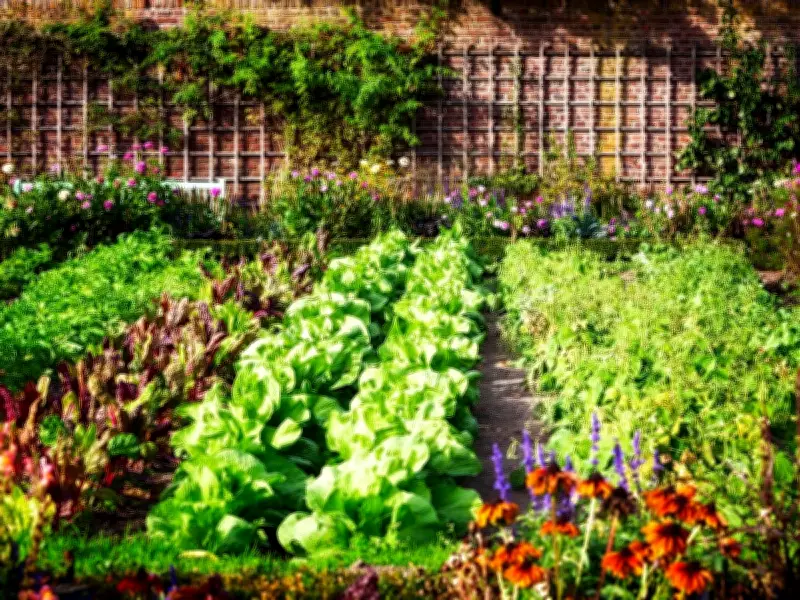
For generations, the perfectly manicured front lawn has stood as an emblem of suburban propriety in Edmonton. The very notion of cultivating anything other than uniform grass in this prominent space was once considered almost heretical. However, a growing number of gardeners are challenging this tradition with a pragmatic question: Given the rising cost of fresh produce, why not transform that green expanse into a source of homegrown food? Converting a front lawn into a vegetable garden is not only deeply rewarding but also remarkably well-suited to our regional climate when approached with careful planning.
Step One: Strategic Observation and Planning
The journey begins with patient observation. Front yards frequently benefit from superior sunlight exposure compared to backyards, which is excellent news for vegetable cultivation. Most edible crops require a minimum of six hours of direct sunlight each day. Dedicate several days to meticulously charting the movement of shadows cast by nearby trees, houses, and fences. This crucial analysis will inform your layout, determining optimal placements for taller plants like tomatoes or pole beans and identifying prime spots for lower-growing leafy greens to flourish.
Step Two: The Gentle Art of Lawn Removal
The next phase involves removing the existing turf. While digging it out is an option, this method is labor-intensive and can severely disrupt the underlying soil structure. A far gentler and more effective technique is sheet mulching. Begin by mowing the grass as short as possible. Then, cover the entire area with overlapping layers of cardboard or newspaper (soaked thoroughly with water), and top this with a generous layer of compost and soil. Over several weeks, the grass beneath will decompose naturally, earthworms will migrate into the new, rich environment, and you will be left with fertile, workable earth. In Edmonton's climate, initiating this process in late summer or early autumn typically yields a garden-ready bed by the following spring.

Step Three: Building Fertile Foundation
Soil enhancement is absolutely critical for success. Lawns are often established in compacted soil with minimal organic content. Before planting, thoroughly incorporate generous amounts of compost or well-rotted manure to dramatically improve drainage and fertility. Raised garden beds present another superb option, particularly if your native soil is heavy clay. These beds warm up more quickly in the spring, offer superior drainage, and provide a neat, organized appearance that is often appreciated by neighbours.
Step Four: Selecting the Right Plants
When choosing what to grow, simplicity is key for beginners. Cool-season vegetables such as lettuce, spinach, peas, radishes, and kale perform exceptionally well in Edmonton's conditions. Warm-season crops like tomatoes, peppers, and squash are also viable, especially in sheltered microclimates, but it is essential to select short-season varieties specifically bred for northern gardens. Employing succession planting—sowing small batches of seeds every couple of weeks—ensures a continuous harvest without becoming overwhelming.
Step Five: Watering and Aesthetic Considerations
In a front yard setting, both efficient watering and visual appeal are paramount. Installing drip irrigation lines or soaker hoses beneath a layer of mulch delivers water directly to plant roots, promoting health while maintaining a tidy appearance. Define clear walking paths using mulch, stepping stones, or bricks to ensure accessibility and enhance the garden's visual structure. Installing a distinct border, whether constructed from wood, stone, or metal edging, clearly communicates that this space is an intentional, cultivated garden, not a neglected lawn.

Final Considerations: Regulations and Beautification
Before you begin, it is prudent to review any local municipal bylaws or community guidelines. While Edmonton generally supports residential food gardening, confirming details regarding plant height restrictions or visibility requirements is wise. To soften the utilitarian look of a vegetable plot and boost its ecological function, consider interplanting with companion flowers like marigolds, nasturtiums, or calendula. These additions add vibrant colour and play a vital role in attracting essential pollinators to your garden, creating a beautiful and productive front yard ecosystem.