As food prices continue to rise and available land for cultivation shrinks, many home gardeners are seeking innovative ways to maximize their vegetable plots. Helen Chesnut, in a recent article, shares practical space-saving techniques that can transform even the smallest garden into a productive oasis.
Addressing Modern Gardening Challenges
High costs, diminishing lot sizes, and scarce community garden spaces have made efficient gardening a critical concern for enthusiasts. This issue is particularly pressing at the start of each growing season, prompting gardeners to rethink their planting strategies to optimize every inch of soil.
Vertical Growing: A Game-Changer
Chesnat highlights vertical gardening as her top method for conserving ground space. By using repositionable wire fencing each spring, she trains a variety of crops upward, including snow peas, shelling peas, cucumbers, climbing summer squash, pole beans, runner beans, and vining tomatoes. Planting on both sides of the wire allows for dual cultivation, with leafy greens like lettuce and endive thriving at the vine bases. These fast-growing greens also benefit from the dappled shade provided by young squash and broccoli plants, further enhancing space utilization.

Block Planting for Density
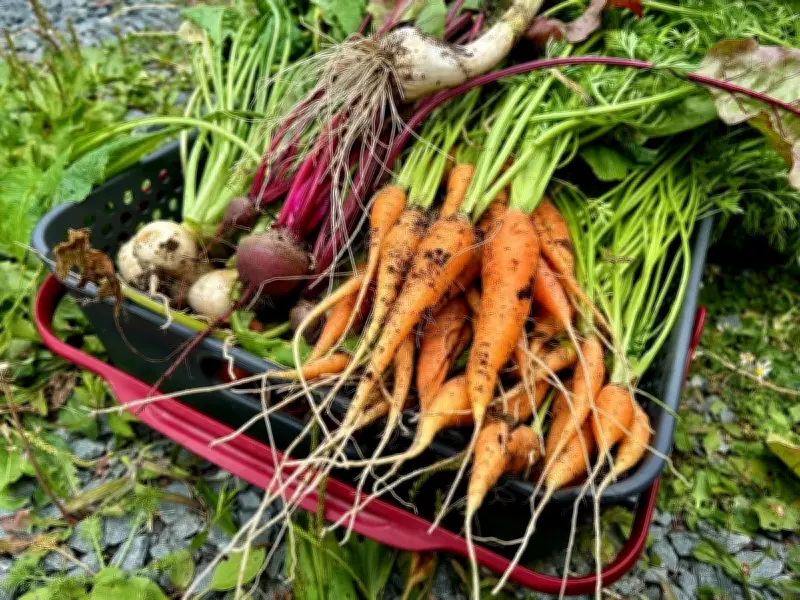
Another effective technique is block planting, which replaces traditional single rows with closely spaced clusters. Chesnat recommends this method for carrots, beets, leeks, onions, and bok choy, creating blocks approximately 120 centimeters wide for easy access to the center. This approach increases yield per square foot while maintaining manageable garden maintenance.
Succession Planting and Compact Varieties
To extend productivity throughout the season, succession planting involves replacing harvested crops with new ones. For instance, after shelling peas are collected in July, snow peas and leafy greens can be seeded in their place. Similarly, bush beans often follow a July garlic harvest, ensuring continuous output. For those with severely limited space, compact vegetable varieties offer a solution. Many seed companies now list container-friendly options, identifiable through specific symbols in print and online catalogs.
By integrating these strategies, gardeners can overcome spatial constraints and enjoy bountiful harvests, making the most of their resources in an era of economic and environmental challenges.