Snow Serves as a Natural Insulator for Garden Beds During Winter Months
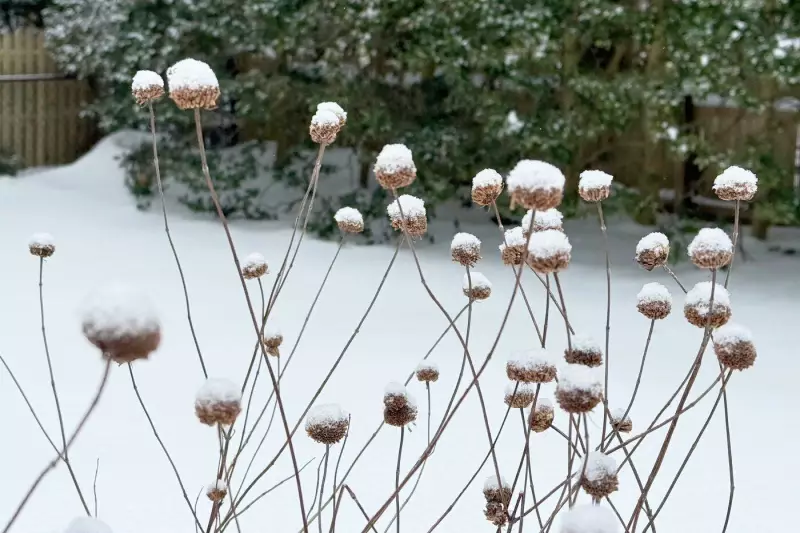
As winter blankets much of Canada with snow, gardeners may find an unexpected ally in the frosty precipitation. Recent observations and horticultural expertise highlight that snow can function similarly to traditional winter mulch, providing a protective layer for garden beds. This natural insulation helps shield perennial plants, bulbs, and soil from extreme temperature fluctuations and freezing winds.
The Protective Qualities of Snow in the Garden
Snow acts as an excellent insulator due to its air-filled structure, which traps heat from the earth and prevents it from escaping rapidly. This creates a more stable microclimate for plant roots and dormant vegetation. In regions like Toronto, which recently experienced nearly 60 centimeters of snowfall, this blanket effect can be particularly beneficial for gardens that might otherwise suffer from frost heave or desiccation.
Key benefits include:

- Maintaining consistent soil temperatures
- Reducing moisture loss from evaporation
- Preventing damage from freeze-thaw cycles
- Offering a barrier against harsh winter winds
Why Trees May Require Additional Attention
While snow benefits garden beds, trees—especially young or delicate species—might need proactive care during heavy snowfalls. The weight of accumulated snow and ice can lead to broken branches, split trunks, or uprooting. This is particularly relevant in areas experiencing record-breaking storms, where snow loads can exceed what trees are structurally prepared to handle.
Practical steps for tree care include:
- Gently brushing off heavy snow from branches using a broom or soft tool
- Avoiding shaking branches, which may cause them to snap
- Providing support for young trees with stakes or wraps
- Pruning dead or weak limbs in autumn to prevent winter breakage
Adapting Gardening Practices to Canadian Winters
Canadian gardeners can leverage snow's insulating properties by planning their landscapes accordingly. Planting hardy perennials and shrubs that thrive under snow cover, such as bergamot or certain ornamental grasses, can enhance winter garden resilience. Additionally, avoiding early removal of snow from garden beds unless absolutely necessary helps maintain that protective layer throughout the coldest months.
As climate patterns shift and extreme weather events become more frequent, understanding how natural elements like snow interact with our gardens becomes increasingly important. By recognizing snow as a valuable resource rather than merely an inconvenience, gardeners can work with winter conditions to foster healthier plants come spring.