The Hidden Impact of Home Vents on Your Garden Plants
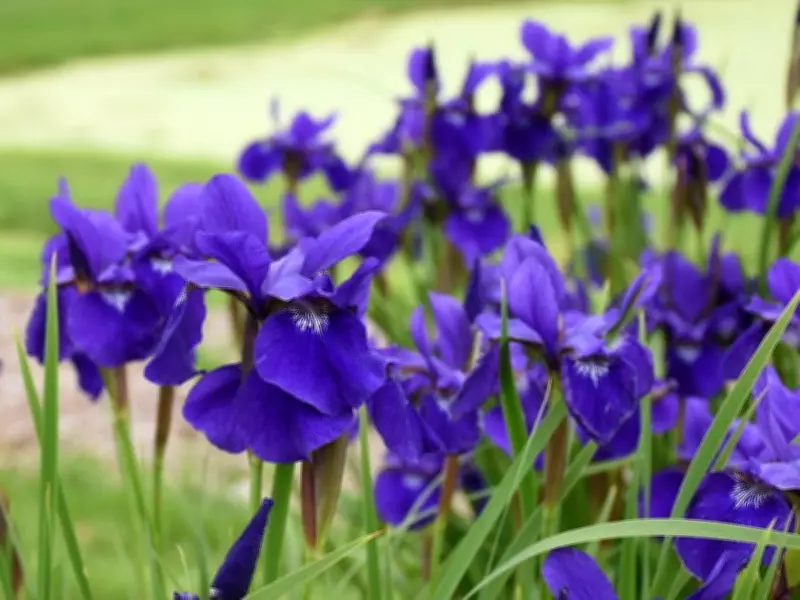
Recent home renovations, such as moving dryer, bathroom, and heat exchanger vents, can inadvertently create challenging conditions for nearby gardens. A reader recently shared concerns about their flower garden, which now lies directly under these relocated vents. Initially featuring a small herb garden that transitions into Siberian irises, the plants struggled significantly last fall, prompting questions about suitable annuals and perennials that can withstand occasional blasts of air and heat.
Why Vents Pose a Serious Threat to Plant Survival
According to gardening experts, the placement of vents over gardens is a major issue. Few plants can tolerate the harsh conditions created by these vents. The primary problem occurs in winter when vents thaw the ground beneath them, inadvertently thawing the roots of any perennials planted there. When the air flow stops and temperatures drop, the ground refreezes. This constant freeze-thaw cycle is extremely detrimental to plant health, leading to root damage and reduced vitality.
Practical Solutions for Mitigating Vent Effects
For annuals, there is a potential workaround if the hot air can be deflected away from the plants. One effective strategy involves placing decorative garden ornaments, such as a metal butterfly, under the vents. The wings of such ornaments can help redirect airflow, protecting the planting area. Instead of listing specific plants that might survive under these conditions, experts recommend addressing the root cause by deflecting the air. Once this is achieved, any annual that typically thrives in the garden's exposure and location should grow normally during its season. However, perennials are unlikely to endure due to the ongoing environmental stress.

Additional Gardening Insights: Wardian Cases and Ferns
In a related query, a gardener sought advice for a small Wardian case, a type of terrarium, gifted to them. They expressed interest in growing ferns, inspired by Victorian practices, but worried about larger varieties overpowering the limited space. Experts suggest miniature ferns as an ideal solution, with several varieties well-suited for terrariums:
- Selaginella spp. – Many species thrive in terrarium environments.
- Humata tyermanii ‘White Rabbit’s Foot’ – A fine-leaved fern reaching about 12.5 cm in height.
- Nephrolepsis cordifolia ‘duffi’ – Known as the Lemon Button fern, it stays under 30 cm high and spreads via runners.
To enhance the setup, cover any exposed soil with Scottish moss (Sagina subulata). Key care tips include ensuring plant leaves do not touch the glass to prevent bacterial growth and opening the terrarium top for a few hours weekly to promote air circulation, which helps maintain plant vigour.
Expert Resources for Ongoing Gardening Support
For more gardening advice, readers can access weekly columns online or in epaper formats, email questions to dedicated gardening experts, read past articles, or follow social media accounts for updates. This comprehensive approach ensures gardeners have the tools needed to navigate challenges like vent placement and terrarium care effectively.