Shampoo's Limited Role in Hair Loss Treatment
If you are experiencing hair loss or thinning hair, you have likely encountered numerous over-the-counter products promising solutions. Among these, shampoos designed for thinning or fine hair offer a convenient option without adding extra steps to your routine. However, before selecting any product, it is crucial to understand expert insights on this topic.
Dermatologists emphasize managing expectations when considering shampoo as a remedy for hair loss. "Shampoo ALONE is not a cure for hair loss," stated Dr. Joyce Park, a board-certified dermatologist, in an interview. "I explain to my patients that it is important to view it as one part of a broader, comprehensive routine designed to address thinning at its source."
This perspective stems from how shampoo functions. "Shampoo works primarily on the scalp's surface and the hair shaft," Park elaborated. "It is also a wash-off agent, so it sits on your scalp for a few seconds to minutes and then is washed off. Unless otherwise stated on the packaging, shampoo ingredients do not typically penetrate deeply enough to slow or stop hair loss or shedding."

The Importance of Shampoo in a Holistic Routine
Despite its limitations, using the right shampoo plays a significant role in a hair loss regimen and should not be overlooked. Dr. Dendy Engelman, a board-certified dermatologist at Shafer Clinic Fifth Avenue in New York City, noted that shampoo "can play an important role in supporting scalp health and protecting the structural integrity of the hair fiber."
"I often explain to patients that hair thinning is not only about hair growth, it is also about hair retention and resilience," she added. "Supporting proteins like elastin, which help anchor and support the hair at the follicle, can help improve the appearances of fullness by reducing breakage and helping hair remain stronger over time."
Dr. Ariel Ostad, a board-certified dermatologist and facial plastic surgeon, highlighted potential benefits of shampoo for thinning hair. "Shampoos can improve scalp health, reduce inflammation, strengthen existing hair shafts, and create a better environment for growth, which may slow shedding or make hair appear thicker," he said. "Some shampoos with ketoconazole have evidence showing they may reduce inflammation and dihydrotestosterone (DHT) buildup at the scalp which can support other hair regrowth efforts."
Ingredients to Avoid and Seek Out
When shopping for shampoo, it is essential to know what to avoid as well as what to look for. Both Engelman and Ostad advised against harsh formulas that strip the hair. Ostad specifically cautioned against heavy parabens and silicones, which "can build up on the scalp and weigh hair down without long-term benefit," and sulfates like sodium lauryl sulfate (SLS), which "can strip natural oils and weaken hair fibers."
Instead, dermatologists recommend seeking out science-backed ingredients that support hair health. Below are expert recommendations for specific shampoos, though the experts do not necessarily endorse all products listed.

- Nizoral Anti-Dandruff Shampoo: This award-winning shampoo contains 1% ketoconazole, an antifungal ingredient suggested by Park and Ostad. Park explained, "It is one of the better-studied shampoo ingredients for thinning hair and it has become more popular over the last few years for its use in hair loss. It reduces scalp inflammation and treats dandruff, which I often see contributing to increased shedding." Reviewers praise its light scent and gentle formula, suitable for gray or chemically processed hair.
- Head & Shoulders Clinical Dandruff Defense: Park also recommends this shampoo with 1% selenium sulfide, which helps address inflammation or yeast overgrowth to reduce shedding. She suggests alternating shampoos for maximum efficacy. It is an affordable option, often on sale.
- Harklinikken Balancing and Stabilizing Scalp Shampoos: Ostad suggested these Danish shampoos, formulated with botanicals to nourish the scalp and reduce irritation. The balancing shampoo suits all hair types, while the stabilizing version is ideal for oily scalps or color-treated hair.
- Nulastin Vibrant Scalp Shampoo: Engelman recommended this volumizing shampoo for supporting elastin, a protein that anchors hair at the follicle. It uses peptide technology to improve hair resilience and reduce shedding, with reviewers noting its effectiveness.
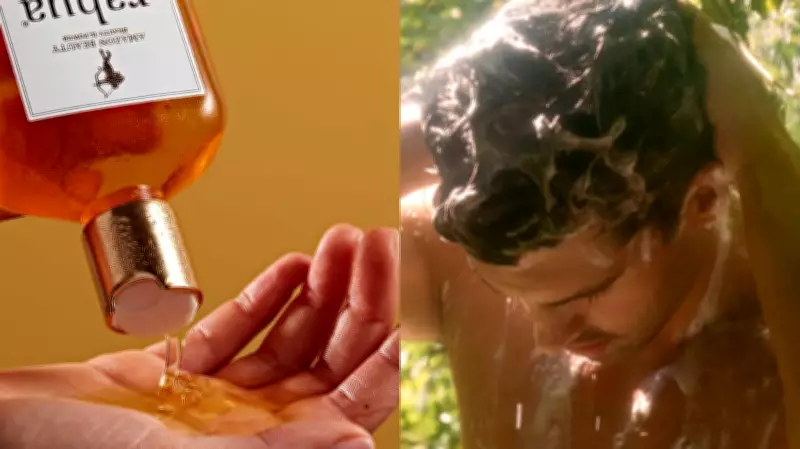
- Rahua Classic Shampoo: Engelman described this as a gentle, plant-based formula with rahua oil, quinoa, and panthenol to strengthen strands and maintain scalp moisture. It is safe for color-treated hair and has a light Palo Santo scent.
- Virtue Flourish Shampoo for Thinning Hair: Engelman highlighted this shampoo for removing buildup and strengthening hair with Alpha Keratin 60ku, a patented protein. It also contains peptides to support hair structure, though it is a splurge item.
- Flamingo Estate Rosemary Clary Sage Shampoo: This editors' pick includes biotin and vitamin B5, recommended by Ostad and Engelman for strengthening hair and supporting scalp health. It is plant-based and comes in recyclable packaging.
- Maple Holistics Biotin Shampoo: Containing biotin and rosemary oil, this shampoo helps strengthen hair and reduce breakage. Dr. Marisa Garshick noted rosemary oil's benefits for a fuller appearance, and it is a popular choice among reviewers.
- HairStem DHT-Blocking Shampoo: Formulated with saw palmetto to inhibit DHT, this sulfate-free shampoo is endorsed by the American Hair Loss Association. It includes biotin and aims to promote fuller-looking hair by blocking stress on follicles.
In summary, while shampoo is not a standalone solution for hair loss, it is a valuable component of a comprehensive treatment plan. By choosing products with beneficial ingredients and avoiding harsh ones, individuals can support scalp health and improve hair resilience over time.