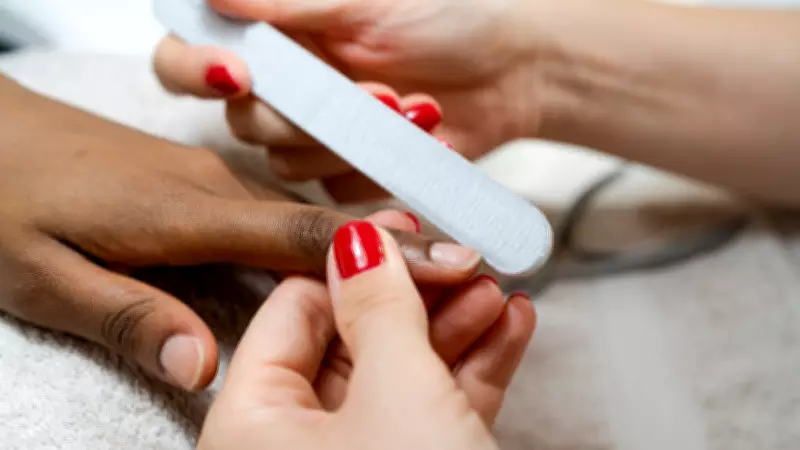
The Unseen Price of Perfect Nails: Industry Insiders Share Their Hard Boundaries
Getting a manicure might seem like a simple luxury service, but behind every polished set of nails lies a physically demanding profession that requires artistic skill, entrepreneurial savvy, and professional boundaries. Nail technicians across the United States are speaking out about the realities of their work, clearing up misconceptions and establishing firm limits they won't cross after years of industry experience.
Client Etiquette: What Nail Techs Wish You Wouldn't Do
1. Constantly checking your hands during the appointment. "I would not keep pulling my hand away to look at what my nail tech is doing," says Aleanie Molina, a nail technician based in Everett, Washington. "This interrupts the process, causes appointments to take longer, and creates unnecessary stress. Please trust your nail technicians."
2. Being on your phone throughout the service. Christa Cole from Pasadena, California explains: "When you touch your phone during a manicure, you reintroduce dust, lint, and oil to prepped nails. This makes proper application difficult and leads to smudges and imperfections. Leave the phone alone until the service is complete."

3. Spending excessive time choosing a color. Amy Ling Lin, founder of Sundays Nail Studio in New York City, notes: "While choosing the right color is important, sessions that drag on for 20 minutes can disrupt scheduling and affect service quality. That's why we've limited our collection to 55 timeless colors that don't overwhelm clients."
4. Arriving late to appointments. Lynette Chanel from Columbus, Ohio emphasizes: "Your lateness doesn't just affect your appointment—it impacts our entire day, including other clients, lunch breaks, and personal commitments. Have respect for your technician's time."
Health and Safety: Non-Negotiable Standards
5. Working without proper respiratory protection. "Even before COVID, nail dust is really bad for you," says New York-based technician Carmella Laporta. "When I don't wear a mask, I get really bad chest pains at the end of the day. This is non-negotiable for both technicians and clients."
6. Compromising bodily health for client comfort. Chanel explains her approach: "They gotta sit here for two hours, we've gotta sit here for 10-plus years. I won't ruin my body doing someone else's nails. Instead of working around poor posture, I kindly instruct clients to relax their hands into the right position."
7. Overlooking basic hygiene standards. Molina warns: "One red flag is if your technician reuses implements from other clients. This creates serious health hazards including potential bloodborne pathogens, fungi, and bacterial infections. If tools don't look clean, leave immediately."
8. Shaving right before a pedicure. Rachel Robertson, owner of The Shimmer Room in Edgewater, Florida, advises: "Shaving causes microscopic tears in your skin that can become irritated during treatment and potentially lead to infection. Wait at least 24 hours after shaving, and remember: your nail tech doesn't care if your legs are hairy."
9. Excessively cutting cuticles. Lin clarifies: "There's a difference between dead skin and your own skin. Excessive cutting can cause bleeding and weaken your natural cuticles, creating long-term damage rather than improvement."
Professional Boundaries: Protecting the Craft
10. Fixing someone else's substandard work. Las Vegas-based nail technician Dylan Pritchard states: "With industry oversaturation, quality assurance is hard to come by. I can't guarantee my work if I'm filling or fixing someone else's mistakes. Many clients can't even identify what type of manicure they've been getting due to previous technicians' apathy."
11. Copying other artists' designs. New York City nail artist Miki Higuchi shares: "My goal is to create designs that match each client's personality, not just replicate trendy looks. Sometimes a popular design doesn't suit a particular client, so I use my creativity to propose alternatives that better reflect their individual style."

12. Accepting clients who ghost appointments. Pritchard establishes firm policy: "Ghosting—no-shows without communication—results in full charges to the credit card on file and permanent blocking from rebooking. This disrespect has become rampant due to walk-in culture at low-quality salons. Serious artists work by appointment only, and when clients don't show, we don't make money."
Financial Respect: Valuing Professional Expertise
13. Negotiating prices with established professionals. Cole explains: "As a solo operator with a private suite, my pricing reflects service quality and expertise. We invest in continuing education to master new trends and products. Having clients haggle over prices can feel triggering and devaluing of our substantial investments in our craft."
14. Complaining about justified pricing. Molina concludes: "Getting your nails done is a luxury service, not a necessity. If certain designs like ombre or glitter nails exceed your budget, don't give your technician a hard time for charging their worth. Complex designs cost more than simple color applications, and professionals deserve fair compensation for their skills."
These insights from experienced nail technicians reveal a profession that demands respect for both the artistic craft and the physical labor involved. From health precautions to financial boundaries, these hard-won lessons reflect the realities of an industry where professional standards protect both practitioners and clients alike.