Alarming Discovery in Beauty Products
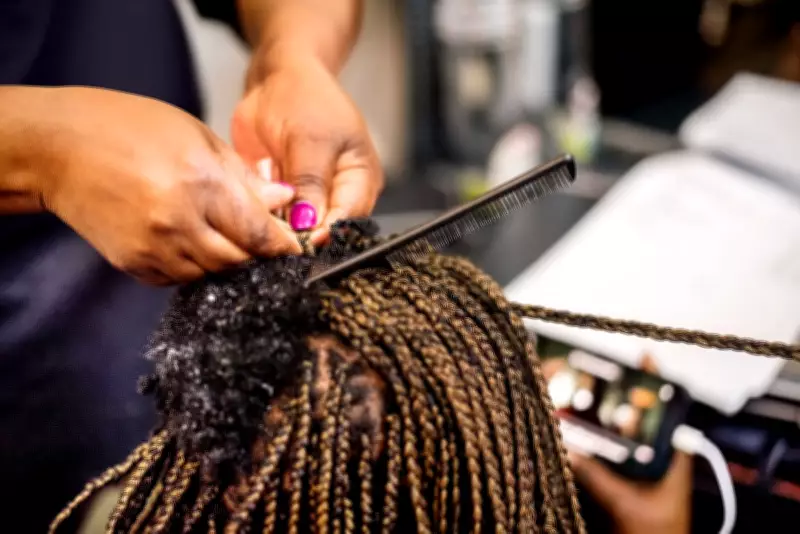
Recent scientific investigations have uncovered a disturbing trend in the beauty industry, particularly affecting Black women. Multiple studies now confirm that a significant number of hair extensions, widely used for braiding and styling, contain hazardous chemicals including lead and known carcinogens. This revelation raises critical questions about product safety and regulatory oversight in a market that serves millions of consumers.
The Scope of the Problem
Researchers analyzing various hair extension products found that many samples tested positive for dangerous substances. Lead, a toxic heavy metal linked to neurological damage, was detected in concerning concentrations. Additionally, several carcinogenic compounds were identified, posing long-term health risks with repeated exposure. These findings highlight a systemic issue in the manufacturing and distribution of beauty accessories that are integral to many Black women's grooming routines.
Health Implications and Consumer Concerns
The presence of these chemicals in hair extensions presents multiple health hazards. Direct contact with lead-contaminated hair can lead to absorption through the scalp, potentially causing developmental issues in children and cardiovascular problems in adults. Carcinogens in these products increase cancer risk over time, particularly for hairstylists and consumers who handle them frequently. Many Black women now face the troubling question: "What Black hair product is actually safe?"

Industry Practices and Regulatory Gaps
Experts point to several factors contributing to this dangerous situation. Lax manufacturing standards in some countries, inadequate testing protocols, and insufficient regulatory frameworks allow contaminated products to enter the market. The global nature of the beauty supply chain complicates oversight, with extensions often sourced from multiple regions before reaching consumers. This complexity makes consistent safety monitoring particularly challenging.
Moving Toward Solutions
Consumer advocacy groups are calling for immediate action from regulatory agencies and industry stakeholders. Recommendations include implementing stricter testing requirements, establishing clearer labeling standards, and increasing transparency about product composition. Some organizations are developing certification programs to identify safer alternatives, while researchers continue to investigate the full extent of contamination across different product lines.
The discovery of hazardous chemicals in hair extensions underscores the need for greater vigilance in personal care product safety. As awareness grows, both consumers and manufacturers must prioritize health considerations in beauty practices that have deep cultural significance for Black communities worldwide.