What to Do If Water Gets into Your Fuel Tank: Essential Steps for Vehicle Owners
Discovering water in your vehicle's fuel tank can be a distressing experience for any driver. Water contamination in gasoline or diesel systems can lead to severe engine problems, including stalling, reduced performance, and costly repairs. This comprehensive guide outlines the immediate actions to take, professional repair options, and preventive strategies to safeguard your vehicle from such issues.
Immediate Actions to Take When Water is Suspected in the Fuel Tank
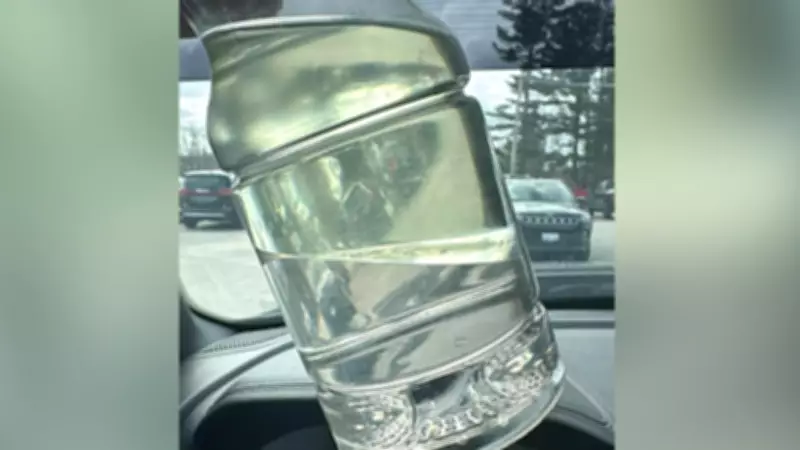
If you suspect water has entered your fuel tank, acting quickly is paramount to minimize damage. First, do not start the engine, as this can circulate contaminated fuel through the system, exacerbating the problem. Instead, safely park the vehicle in a well-ventilated area and turn off the ignition. Next, inspect the fuel tank for visible signs of water, such as separation in a clear sample or unusual odors. Using a water-finding paste or a dedicated fuel tester can help confirm contamination. If water is present, drain the tank completely by a professional to avoid environmental hazards and ensure proper disposal.
Professional Repair and Cleaning Procedures
Once water is confirmed, seek assistance from a certified mechanic or automotive service center. Professionals typically employ methods like fuel system flushing, which involves removing all contaminated fuel and cleaning the tank, fuel lines, and injectors. In severe cases, components such as fuel filters or pumps may need replacement due to corrosion or clogging. It is crucial to address this issue promptly, as prolonged exposure to water can lead to rust formation in the tank and damage to engine parts, resulting in higher repair costs. Always use high-quality fuel additives recommended by experts to absorb residual moisture and prevent future contamination.

Preventive Measures to Avoid Water Contamination
Prevention is key to avoiding water in your fuel tank. Regularly maintain your vehicle by checking fuel caps for tight seals and inspecting the tank for cracks or leaks. Avoid refueling during heavy rain or in areas where water might seep into underground storage tanks. Additionally, keep your fuel tank at least half full, especially in humid or cold climates, to reduce condensation buildup inside. Consider installing water-separating fuel filters for added protection, particularly in diesel engines. By adopting these habits, you can significantly lower the risk of water-related issues and ensure your vehicle runs smoothly.
Long-Term Implications and Cost Considerations
Ignoring water contamination can have serious long-term effects on your vehicle's health and your wallet. Water in the fuel system can cause:
- Engine misfires and stalling, leading to unsafe driving conditions.
- Corrosion of metal parts, necessitating expensive replacements.
- Reduced fuel efficiency and increased emissions, impacting environmental compliance.
On average, repairs for water-damaged fuel systems range from $200 to $1,000 or more, depending on the extent of damage. Investing in preventive care and timely repairs not only saves money but also extends your vehicle's lifespan. Always consult with automotive experts for personalized advice based on your vehicle's make and model.