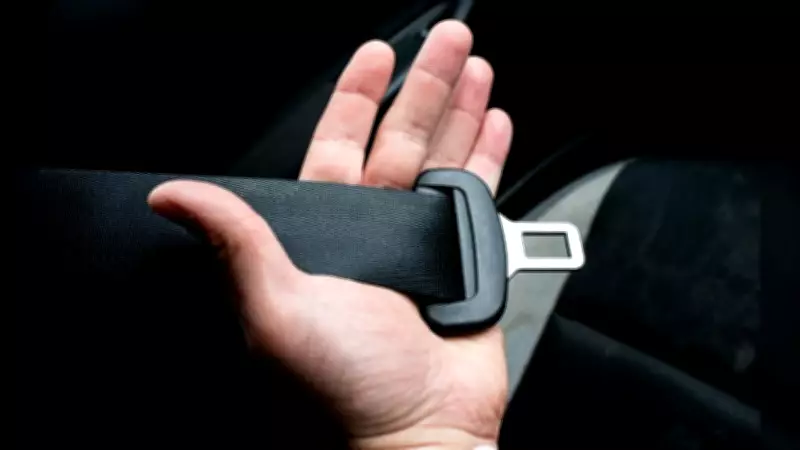
Five Decades Later: Ontario's Seatbelt Mandate Still Faces Deadly Non-Compliance
As Ontario commemorates the 50th anniversary of its mandatory seatbelt legislation, provincial authorities are confronting a sobering reality: failure to buckle up continues to claim lives at an alarming rate across the province's roadways. The Ontario Provincial Police (OPP) report that despite half a century of public awareness campaigns and enforcement efforts, a persistent segment of drivers and passengers still neglect this fundamental safety measure, with tragic consequences.
A Historical Milestone Overshadowed by Ongoing Tragedy
When Ontario first implemented its seatbelt law in 1976, it represented a groundbreaking advancement in automotive safety regulation within Canada. The legislation mandated that all vehicle occupants wear properly fastened seatbelts while traveling on provincial roads. Historical data indicates this single intervention saved thousands of lives in subsequent decades, dramatically reducing ejection-related fatalities and severe injuries during collisions.
Yet, as this landmark legislation reaches its golden anniversary, enforcement agencies emphasize that the battle for universal compliance remains frustratingly incomplete. "We've made tremendous progress, but we're still losing people to entirely preventable tragedies," stated an OPP traffic safety spokesperson. "Every year, we investigate crashes where seatbelts were available but not used, resulting in needless deaths."

Enforcement Challenges and the 'Big Four' Offenses
The OPP has consistently identified seatbelt non-compliance as one of the "Big Four" leading contributors to fatal collisions, alongside impaired driving, speeding, and distracted driving. During recent holiday enforcement campaigns, including the Easter weekend, officers specifically targeted these high-risk behaviors through increased patrols and checkpoints.
Police data reveals that while compliance rates have improved significantly since the law's inception, certain demographics and regions continue to show concerning patterns of non-use. Young drivers, occupants of pickup trucks, and passengers in rear seats demonstrate particularly stubborn resistance to consistent seatbelt usage according to traffic safety researchers.
The Science of Survival: Why Seatbelts Remain Critical
Modern vehicle safety systems, including advanced airbags and crumple zones, are designed to work in conjunction with seatbelts, not replace them. In a collision, an unbelted occupant becomes a projectile, risking fatal impact with the vehicle's interior or other passengers. Medical professionals emphasize that seatbelt-related injuries, when they occur, are typically far less severe than those sustained by unrestrained individuals.
"The physics haven't changed in fifty years," explained a trauma surgeon specializing in motor vehicle injuries. "When a vehicle suddenly stops, unrestrained bodies continue moving at the original speed until they hit something. Seatbelts are the single most effective tool to prevent this catastrophic transfer of energy to the human body."
Looking Forward: Education and Enforcement Strategies
As Ontario moves beyond this legislative milestone, safety advocates are calling for renewed approaches to address persistent non-compliance. Proposed strategies include:
- Enhanced public education campaigns targeting specific high-risk groups
- Integration of seatbelt safety into graduated licensing programs
- Technological innovations like seatbelt reminder systems for all seating positions
- Continued high-visibility enforcement during peak travel periods
The economic implications of seatbelt non-compliance extend beyond personal tragedy, with healthcare systems bearing substantial costs for treating preventable injuries. Insurance industry analysts note that unbelted occupants typically sustain more severe injuries, resulting in higher medical claims and rehabilitation expenses.

As Ontario reflects on five decades of seatbelt legislation, the consensus among safety professionals remains clear: this simple click continues to represent the difference between life and death on the province's roads. While celebrating the lives saved through this pioneering law, authorities emphasize that the work toward universal compliance remains urgent and unfinished.