Southwest Ontario Auto Sector Braces for Impact as GM Idles Detroit EV Plant
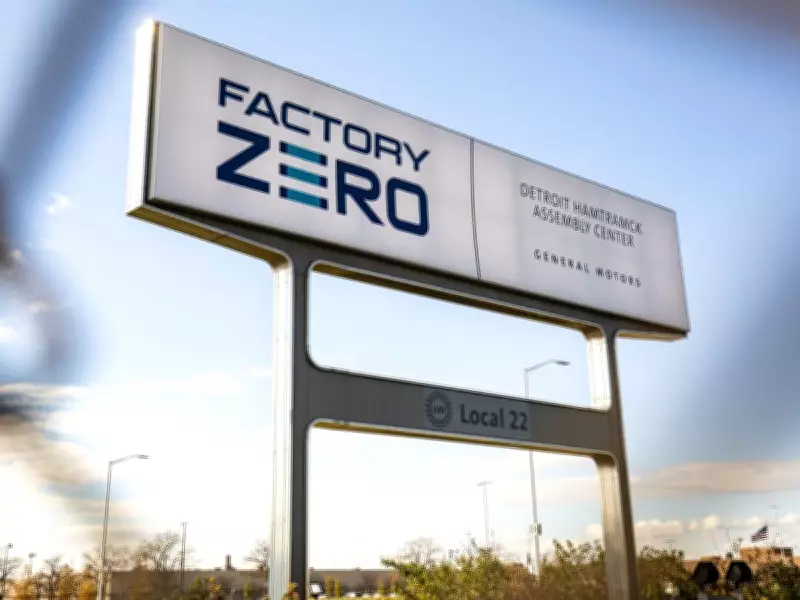
The automotive supply chain in Southwest Ontario is facing potential disruptions and reduced sales as General Motors temporarily idles its all-electric Factory Zero plant in Detroit. This move, announced this week, involves laying off 1,300 hourly workers and is part of a broader reduction of 3,300 employees at U.S. plants producing electric vehicles and batteries, driven by declining consumer interest in EVs.
GM Adjusts Production to Match Market Demand
GM spokesperson Matthew Creegan confirmed that Factory Zero will adjust production to better align with market demand, with impacted employees placed on temporary layoff and eligible for benefits under the GM-UAW national contract. The idling, which began in mid-March and is set to last until mid-April, reflects the automaker's response to softening EV sales.
Ripple Effects Across the Cross-Border Supply Chain
Sam Fiorani, vice-president of global vehicle forecasting at AutoForecast Solutions, warned that the idled Detroit plant will significantly affect the highly integrated cross-border automotive supply chain. "The supplier group in Canada is integral to GM production, and shutting down any plant in the Detroit area is going to hamper suppliers in Michigan and in Ontario," Fiorani stated. He anticipates further industry retrenchment as automakers scale back electrification investments due to market realities.

Broader Industry Trends and Adjustments
Other major automakers are also recalibrating their EV strategies in response to unmet demand expectations:
- Ford Motor Co. is shifting away from producing the all-electric F-150 Lightning in favor of an extended-range version.
- Honda has cancelled multiple planned EV models in the U.S. and recently announced significant price reductions for its Prologue model, with Fiorani predicting potential further scale-backs within the next year.
Fiorani attributed these adjustments to reduced incentives and softening U.S. emissions policies, leading manufacturers to prioritize more profitable gasoline-powered vehicles. "With the removal of incentives, there isn't a desire for manufacturers to build electric vehicles and sell them at a price reasonable for the public," he explained, noting that plant slowdowns are a natural next step after previous write-downs.
Local Implications and Examples
This trend is already evident in Windsor, where Dodge scrapped plans for the entry-level 2025 Charger Daytona R/T EV, originally slated for production at the Windsor Assembly Plant, due to low demand and U.S. tariffs. Fiorani emphasized that the industry is navigating a period of uncertainty, with too many EVs on the market relative to buyer interest, forcing continuous adjustments to find equilibrium.