Rising Fuel Costs Drive Canadian Interest in Electric Vehicles Amid Market Shifts
Escalating global tensions, particularly the ongoing conflict in Iran, have led to a sharp increase in oil prices, which is now directly impacting gas pumps across Canada. This economic pressure is prompting more Canadians to explore alternatives to traditional gasoline-powered cars, with electric vehicles (EVs) emerging as a popular consideration.
Poll Highlights Growing EV Openness Among Canadians
A recent survey conducted by Rates.ca between February 27 and March 2, 2026, found that 30 percent of Canadians are open to purchasing an electric vehicle. This sentiment is further supported by a 40 percent rise in search volume for EV models on the Rates.ca insurance quoter in March compared to the same period last year, indicating a significant uptick in consumer interest.
Cost Barriers and Market Comparisons
Despite this growing interest, cost remains a major obstacle for many potential buyers. The survey revealed that 59 percent of Canadians interested in EVs cite purchase price as their primary concern. Erik Johnson, vice president and senior economist at BMO Capital Markets, noted that EVs in Canada typically start at over $50,000. In comparison, 2025 research from Driving.ca identified the Nissan Versa as the cheapest new car in Canada with a base price of $20,798, while the Nissan Leaf, the most affordable EV, starts at $41,748.

Impact of Chinese EV Imports on Affordability
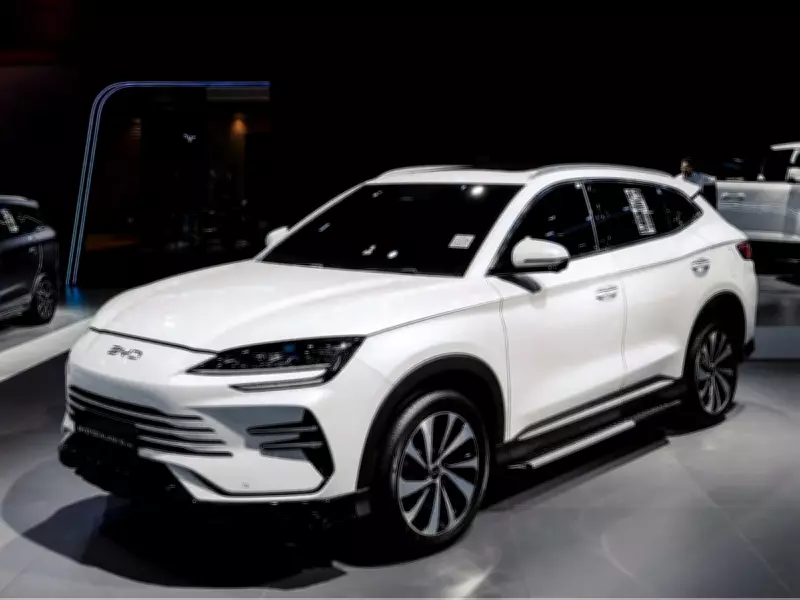
In January 2026, Prime Minister Mark Carney announced a trade deal that allows an initial 49,000 Chinese electric vehicles into the Canadian market, reducing a 100 percent tariff imposed in 2024 to just six percent. This move is expected to lower prices, as Chinese EVs can cost $10,000 to $15,000 less than comparable models currently available in Canada. For instance, BYD, which surpassed Tesla as the world's top EV seller last year, launched its Dolphin Surf model in Europe for approximately US$26,100.
The Canadian auto market officially opened to Chinese-made EVs on March 1, 2026, with BYD planning to establish 20 dealerships nationwide this year. Starting in 2027, 10 percent of EVs from China must be priced at $35,000 or less to be considered "affordable," increasing to 50 percent by 2030. However, none of the EVs entering Canada in 2026 are required to meet this threshold, meaning lower-cost models may not become widely available immediately.
Political and Consumer Reactions
Not all responses to the influx of Chinese EVs have been positive. Ontario Premier Doug Ford has called for a boycott of Chinese-made vehicles, expressing concerns about market competition and potential impacts on Canadian workers. In a social media post, he stated, "Make no mistake: China now has a foothold in the Canadian market and will use it to their full advantage at the expense of Canadian workers."
Despite this opposition, the Rates.ca survey found that 56 percent of respondents who were either unsure or interested in purchasing an EV would consider a Chinese-built model. Additionally, government incentives are encouraging consumers to opt for Canadian-made EVs. The Electric Vehicle Affordability Program (EVAP), introduced by the federal government in February 2026, offers rebates of up to $5,000 for battery-electric and fuel cell electric vehicles, and up to $2,500 for plug-in hybrid vehicles, with eligibility capped at $50,000 unless the vehicle is Canadian-built.
As fuel prices continue to rise and market dynamics evolve, Canadian consumers are increasingly weighing the benefits of electric vehicles against cost considerations, with new import policies and incentives playing a crucial role in shaping future adoption trends.