Changing a tire can be a daunting task for many drivers, often viewed as an intimidating challenge rather than a practical life skill. While countless online tutorials exist, true confidence comes from hands-on knowledge and preparation. Bogi, a master auto technician and owner of Girl Gang Garage in Phoenix, Arizona, emphasizes the importance of understanding your vehicle. She teaches car technology courses specifically for women and non-binary individuals, aiming to demystify automotive care.
Building Confidence Through Practice
Bogi strongly recommends practicing tire changes in a safe environment like a driveway or parking lot before an emergency arises. "It is highly advisable to remove and reinstall your tire when there is no issue," she explained. "Proving to yourself that it is not as difficult as imagined builds essential confidence for when you actually need to do it." Cheyenne Ruether, a master autobody technician and host of "Backyard Ballistics," agrees, noting that performing your own tire rotation serves as excellent rehearsal for the steps involved in changing a tire.
Expert Advice on Overcoming Challenges
If you encounter difficulties during practice, Robin Reneau of Rob The Blonde Mechanic advises taking a deep breath and persisting. "Professionals make it look effortless, but until you handle the jack, assemble it, locate the vehicle's lift points, and complete the change, it is not easy," she said. "Do not get discouraged if it presents a challenge." The consensus among experts is that preparation and the right tools are key to success.

Essential Tools for Tire Changing
To assist in your tire-changing journey, Bogi, Ruether, and Reneau have compiled a comprehensive list of necessary equipment and tips.
1. A High-Quality Four-Way Lug Wrench or Tire Iron
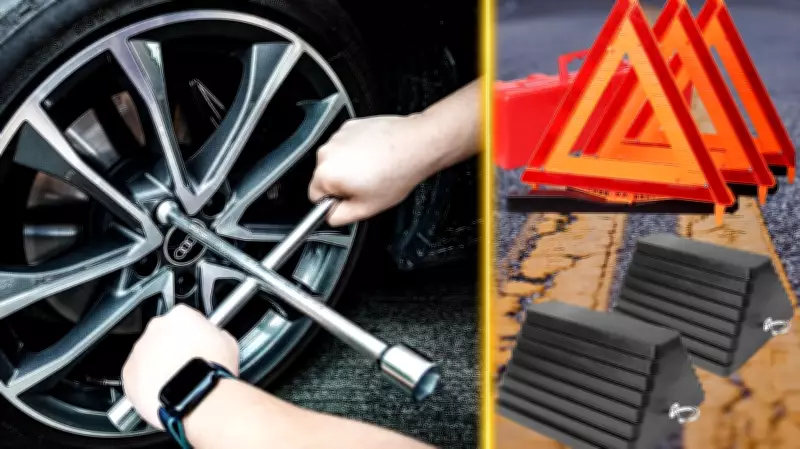
All three experts stress loosening the lug nuts while the car is still on the ground, as they are tightened with significant force. Bogi points out that many factory tools are flimsy and lack leverage. "I recommend a four-way or tire iron because you can use both leg and arm strength simultaneously to break the bolts loose," she said.
2. A "Cheater" Bar for Extra Leverage
For those struggling with lug nuts, Bogi suggests using a cheater bar—an elongated handle that fits over your wrench. "It is all about physics," she noted. "Position it horizontally and use your body weight to apply force."
3. A Reliable Car Jack
After loosening the lug nuts, lifting the car safely is crucial. Ensure you have a functional jack and familiarize yourself with its instructions and your vehicle's lift points, as detailed in the owner's manual.
4. Rubber Wheel Chocks
To prevent the car from rolling when elevated, use wheel chocks placed diagonally opposite the tire being changed. For example, when working on the left front tire, position a chock behind the right rear tire.
5. Reflective Road Safety Triangles
For nighttime or poor weather changes, Bogi and Ruether advise using reflective triangles to enhance visibility. "Set yourself up for success by lifting the hood, activating flashers, and placing these triangles," Bogi recommended.
6. A Rug or Mat for Knee Protection
Reneau suggests keeping a towel or padded mat in the car to protect your knees when kneeling on the ground during the process.
7. Gloves for Traction and Cleanliness
Even inexpensive dishwashing gloves can provide extra grip and keep hands clean from grease and dirt. "I would not spend more than $1.50 on a pair to keep in my car," Reneau said.
8. Closed-Toe Shoes and Socks
Both Reneau and Bogi recommend storing an extra pair of closed-toe shoes and socks in your vehicle, especially if you often wear flip-flops or heels.
9. Hand Wipes
Since tire changing is messy, keep hand wipes in the car for cleanup during and after the task.
10. A Tire Pressure Gauge
Regularly check tire pressure monthly to catch issues early. Keep a gauge in your glove box for convenience.
11. Pepper Spray for Safety
Ruether recommends carrying pepper spray for protection during roadside emergencies, as not all passersby may have good intentions.

12. A Comprehensive Car Kit
Both Reneau and Ruether advise maintaining an emergency kit with water, non-perishable snacks, medications, and personal care items like wipes to freshen up after repairs.
Additional Mechanic Insights
Bogi highlights that retrieving the spare tire from the trunk can be the most challenging part due to its weight and awkward positioning. "For the rest of the job, you can use techniques to leverage leg and body strength instead of relying solely on arms," she explained. Ruether reinforces the value of practice: "The ability to handle such situations saves time, money, and stress, avoiding reliance on others for rescue." Reneau adds a reassuring note: "If you are struggling, do not feel bad. You are not an idiot."
Mastering tire changing is achievable with the right tools, practice, and a confident mindset, empowering drivers to handle emergencies independently.