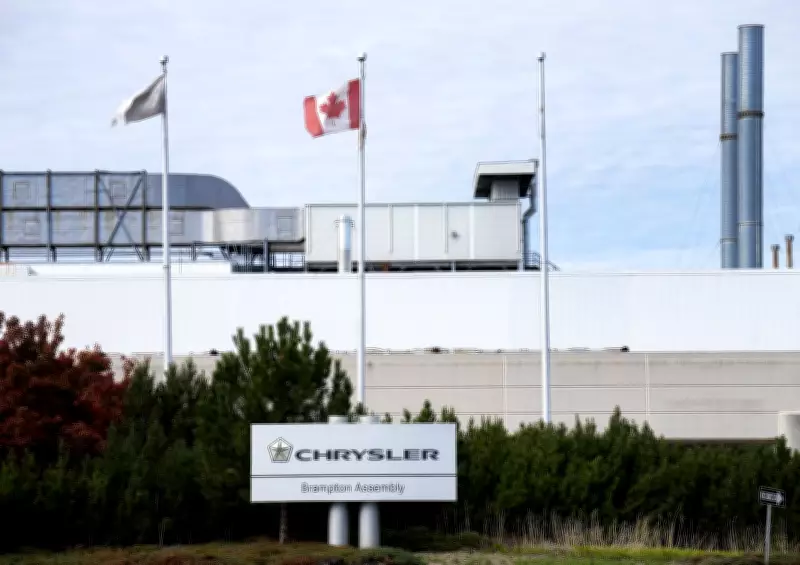
Potential Shift to Chinese EV Manufacturing at Stellantis Brampton Facility Triggers Alarm
The possibility of Chinese electric vehicle (EV) production being established at the Stellantis assembly plant in Brampton, Ontario, is generating considerable unease among economic analysts, automotive experts, and community representatives. This development follows Stellantis' recent announcement to relocate Jeep Compass manufacturing to Illinois, leaving the future of the Brampton site uncertain and opening the door to speculative new uses.
Economic and Strategic Implications Under Scrutiny
Industry observers are closely monitoring the situation, as a move toward Chinese EV production could have profound implications for Canada's automotive sector. The Brampton plant, a significant employer in the region, has long been a cornerstone of local manufacturing. A shift to foreign-owned EV production raises questions about job security, technological transfer, and the long-term viability of domestic automotive capabilities.
Concerns are multifaceted, focusing on potential dependencies on foreign supply chains, the impact on existing labor agreements, and the strategic alignment with national industrial policies. "The integration of Chinese EV manufacturing into a key Canadian facility represents a pivotal moment for our auto industry," noted one industry analyst, highlighting the delicate balance between embracing global innovation and safeguarding domestic interests.

Broader Context of Automotive Transformation
This potential shift occurs against a backdrop of rapid transformation in the global automotive landscape, where electric vehicles are increasingly dominating market trends and regulatory frameworks. The Stellantis Brampton plant, originally configured for traditional internal combustion engine vehicles, would require substantial retooling and investment to adapt to EV production, regardless of the origin of the technology.
Key points of discussion include:
- The competitive pressures facing North American automakers from Chinese EV manufacturers, known for their cost efficiencies and advanced battery technologies.
- The environmental and economic benefits of localizing EV production, versus the risks associated with foreign control over critical manufacturing assets.
- The potential for collaboration or conflict with existing trade agreements and international relations, particularly in light of ongoing geopolitical tensions.
Community and Stakeholder Reactions
Local stakeholders, including union representatives and municipal officials, have expressed cautious optimism mixed with apprehension. While new investment could revitalize the plant and preserve jobs, there is anxiety over the terms of such a deal and its alignment with community values and economic priorities. "We need to ensure that any new production supports high-quality, sustainable employment for Brampton residents," emphasized a local union leader, reflecting widespread sentiment.
Moreover, the potential environmental impact of transitioning to EV production is being evaluated, with considerations for sustainable manufacturing practices and alignment with Canada's climate goals. The shift could position Brampton as a hub for green technology, but only if managed with careful oversight and strategic planning.
As discussions evolve, the future of the Stellantis Brampton plant remains a focal point for debates on industrial policy, economic sovereignty, and the global race toward electrification. Stakeholders are calling for transparent dialogue and proactive measures to navigate this complex landscape, ensuring that any changes benefit both the local economy and the broader national interest.