Chinese Automakers Position Themselves for U.S. Market Entry
After successfully capturing significant market share across the globe, Chinese automotive manufacturers have now turned their attention toward penetrating the lucrative American market. This strategic move has generated considerable anxiety among established United States automakers, who recognize the formidable challenge posed by these technologically advanced and cost-effective competitors.
Current Trade Barriers and Potential Policy Shifts
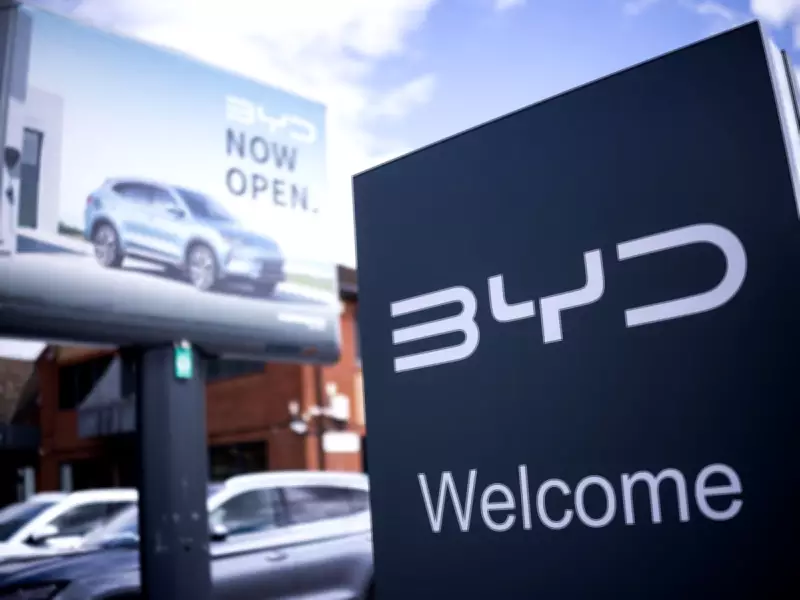
Presently, substantial 100 percent tariffs on Chinese electric vehicles effectively prevent major players like BYD Co., Geely Automobile Holdings Ltd., and Xiomi Corp. from selling their products directly within the United States. However, industry analysts anticipate potential changes as President Donald Trump and Chinese President Xi Jinping prepare for their scheduled summit in May, where discussions about reducing these trade barriers are expected to occur.
Despite his historically critical stance toward China, President Trump has indicated a willingness to permit Chinese automotive companies to establish operations within American borders under specific conditions. During a January address to the Detroit Economic Club, Trump expressed openness to Chinese automakers constructing factories in the United States and hiring American workers, signaling a possible shift in trade policy.

Global Expansion and North American Inroads
Chinese automotive firms have already made substantial progress in markets neighboring the United States. According to estimates from BloombergNEF, BYD alone accounts for approximately seventy percent of new electric vehicle sales in Mexico. Furthermore, Canadian officials recently finalized an agreement to import up to forty-nine thousand Chinese vehicles annually, while Geely anticipates receiving Canadian government certification to commence sales operations there soon.
Notably, Chrysler's parent company, Stellantis NV, is engaged in discussions with Zhejiang Leapmotor Technology Co. regarding potential collaboration to manufacture electric vehicles in Canada. This partnership might utilize an idled Stellantis facility located in a Toronto suburb, demonstrating how Chinese manufacturers are exploring production opportunities within North America.
Competitive Advantages and Market Disruption
The competitive threat posed by Chinese automakers stems from several distinct advantages they have cultivated. Their vehicles frequently combine contemporary styling with sophisticated technology at price points significantly lower than what American manufacturers can typically offer. This is particularly evident in the electric vehicle segment, where Chinese models often feature faster charging capabilities and substantially reduced costs, with some priced below ten thousand dollars.
Over the past five years, China has rapidly ascended to become the world's largest automotive exporter, shipping seven million vehicles abroad in 2025 compared to Detroit's 1.3 million exports. Chinese companies like BYD can also develop and launch new vehicle models in approximately half the time required by American automakers, while simultaneously achieving substantial cost savings throughout the production process.
Industry Reactions and Strategic Implications
Michael Dunne, a former General Motors executive in Asia who now serves as an automotive consultant specializing in China, observes that the automotive industry is approaching a critical juncture. "We're getting very close to the proverbial dam breaking," Dunne remarked. "The path for the Chinese—the one they're looking at intensively right now—is the option to manufacture in the United States and possibly with an American partner. That is closer than most people would expect."

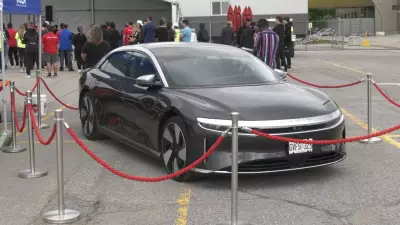
Automotive industry lobbyists and their congressional allies are actively urging the Trump administration to maintain barriers against Chinese automotive imports. However, the proximity of Chinese manufacturers to the American market, both geographically and strategically, suggests that their eventual entry may be inevitable. For established American automakers, competing against these efficient, technologically advanced rivals represents a daunting challenge. For emerging electric vehicle startups like Lucid Motors or Slate Auto, the competitive threat could prove existential, potentially reshaping the entire automotive landscape in North America.