Growing Calls to Regulate Brightness of LED Headlights on Vancouver Island
In recent years, the shift from traditional amber-colored headlight bulbs to modern LED lights with a blue tinge has sparked significant concern among drivers and safety advocates on Vancouver Island. These brighter, often harsher lights are increasingly being cited as a hazard for oncoming motorists, leading to growing calls for regulatory action to address the issue.
The Shift in Headlight Technology
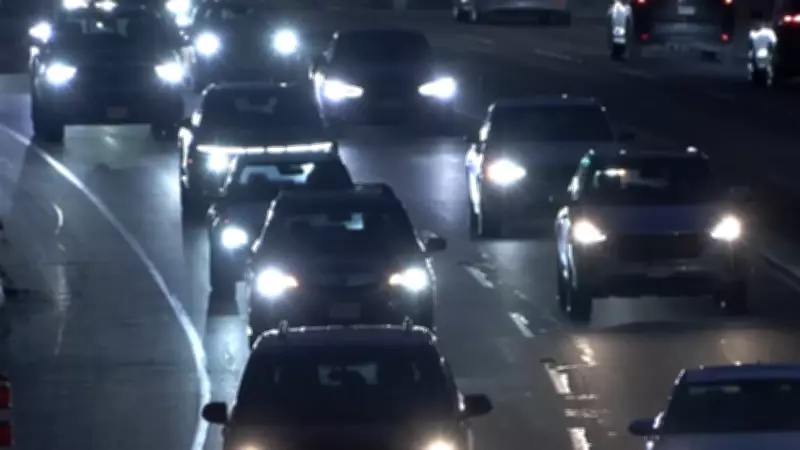
Historically, vehicle headlights utilized bulbs that emitted a warmer, amber hue. This color was generally easier on the eyes and provided adequate illumination without causing excessive glare. However, with advancements in automotive technology, LED headlights have become more prevalent. These lights often feature a blue tinge, which, while offering enhanced visibility for the driver using them, can be particularly harsh and disorienting for those approaching from the opposite direction.
The problem lies in the intensity and color temperature of these LEDs. Studies have shown that blue light scatters more in the human eye, reducing contrast and making it harder to see clearly. This can lead to temporary blindness or visual discomfort, increasing the risk of accidents, especially on dark, winding roads common in regions like Vancouver Island.

Safety Concerns and Public Outcry
Local residents and driving safety organizations have voiced their worries, noting that the glare from these headlights can be dangerous. "It's like being flashbanged every time a car comes around the corner," one commuter reported. This sentiment is echoed by many who argue that the current standards for headlight brightness are outdated and fail to account for the new technology's impact.
In response, there is a push for updated regulations that would limit the maximum brightness or require specific color temperatures for headlights. Advocates suggest that such measures could mitigate the risks without compromising the benefits of improved lighting for drivers.
Potential Regulatory Actions
Authorities are beginning to take notice. Discussions are underway at both provincial and municipal levels to explore possible changes to vehicle safety standards. This could involve:
- Implementing stricter brightness limits for LED headlights.
- Mandating automatic dimming features in new vehicles.
- Increasing public awareness campaigns about proper headlight use.
While no formal policies have been enacted yet, the growing attention to this issue indicates that regulatory adjustments may be on the horizon. As technology continues to evolve, balancing innovation with safety remains a critical challenge for automotive regulators and manufacturers alike.