B.C. Car Dealers Report Surge in EV Interest as Gas Prices Near $2 per Litre
British Columbia car dealerships are witnessing a remarkable resurgence in electric vehicle sales, with federal rebate reinstatements and soaring gasoline prices creating perfect conditions for consumer adoption. According to industry reports, the combination of financial incentives and economic pressures at the pump is driving unprecedented interest in zero-emission transportation options.
Dealership Experiences Reflect Broader Trend
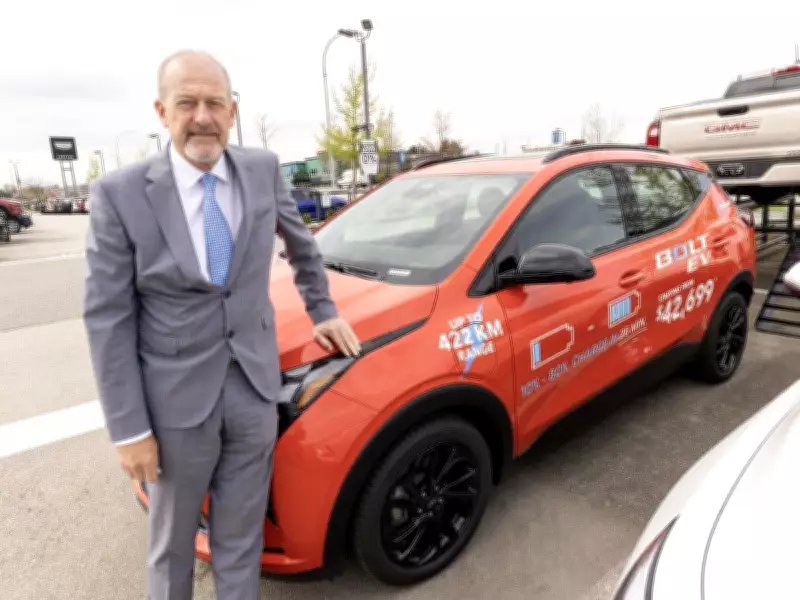
Peter Heppner, general manager at Preston GM in Langley, British Columbia, reports that his dealership has experienced a substantial surge in electric vehicle sales despite previous government pauses on rebate programs. While Heppner declined to disclose specific numbers to protect competitive information, he confirmed that Preston GM, one of the region's larger dealerships, recently achieved a significant milestone.
"Last month, for the first time in my career, we sold more electric vehicles than non-electric vehicles," Heppner revealed. "Electric vehicles have become a very material portion of our business nowadays."

Heppner emphasized that consumer resistance to high fuel costs transcends vehicle price points. "Nobody wants to pay for gas," he noted. "It's interesting. It doesn't matter how expensive the vehicle is that we sell, and we have some that are way up there nowadays, but nobody wants to pay for gas."
Provincial and National Sales Data Confirm Rebound
The New Car Dealers Association of British Columbia confirms that this rebound in zero-emission vehicle sales extends across the province. According to Statistics Canada data tracked by the association, B.C. dealerships recorded a 36 percent increase in zero-emission vehicle sales in February, reaching 2,614 new vehicles. This represents nearly 19 percent of all vehicle transactions during that period.
While these numbers still fall below the province's CleanBC program targets for zero-emission adoption, they mark a significant reversal from January's figures, when zero-emission transactions had dropped to just 13.7 percent of total sales following the suspension of federal and provincial rebate programs.
Federal Rebate Reinstatement Provides Major Spark
Blair Qualey, CEO of the New Car Dealers Association, identifies the reappearance of federal rebates as a primary driver of this sales shift. In February, the federal government reintroduced incentives it had paused at the beginning of 2025 under a new electric-vehicle affordability program.
The program offers substantial financial incentives: up to $5,000 for the purchase of fully battery-electric vehicles and $2,500 for plug-in hybrid models. Although British Columbia has not yet reinstated its provincial incentive program, the federal measures alone have generated significant consumer response.
"What we are seeing is a direct response to both economic conditions and policy decisions," Qualey stated, highlighting the dual impact of market forces and government intervention.
National Sales Figures Show Parallel Growth
The trend extends beyond British Columbia's borders, with national statistics revealing similar patterns. Across Canada, February sales totaled 12,626 new zero-emission vehicles, representing 10 percent of all 124,004 new cars sold nationwide. This marks a substantial 47 percent increase from the same month a year ago, indicating a broader national shift toward electric transportation.
Beyond Rebates: Infrastructure and Consumer Confidence
While financial incentives play a crucial role, industry analysts note that consumers are responding to multiple factors beyond direct rebates. According to AutoTrader's 2026 electric vehicle insights survey, non-EV-owning respondents show improved sentiment toward electric vehicles, reflecting growing consumer confidence.
This increased comfort stems partly from government investments in public charging infrastructure, which addresses one of the primary concerns potential EV buyers have expressed about vehicle adoption. The combination of improved infrastructure, financial incentives, and persistent high fuel costs creates a compelling case for consumers considering the transition to electric vehicles.

The current market conditions suggest that British Columbia's electric vehicle sector may be entering a new phase of accelerated growth, with dealerships across the province preparing for continued consumer interest as economic and policy factors align to support zero-emission transportation adoption.