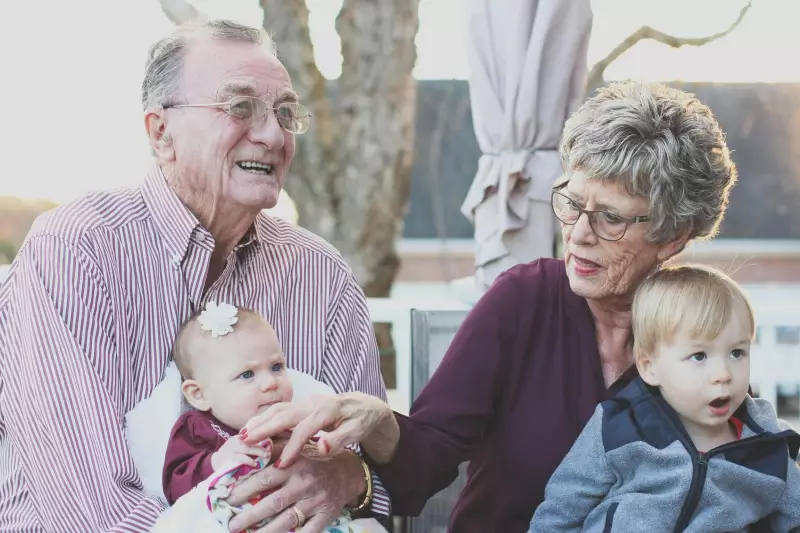
The festive holiday season, often marked by family gatherings and reunions, presents a unique and vital opportunity for Canadians to assess the well-being of their aging relatives. While the focus is on celebration, these visits can serve as an important informal check-in on the physical and mental health of elderly loved ones.
What to Observe During Your Holiday Visit
Experts advise family members to be observant but discreet during their holiday interactions. Look for changes that may have occurred since your last visit. Key areas of concern often manifest in daily living activities that were once routine.
Signs of cognitive or physical decline can be subtle. Pay attention to whether the home is less tidy than usual, if there is spoiled food in the refrigerator, or if bills are piling up unopened. Noticeable weight loss, changes in personal hygiene, or wearing soiled clothing can be significant red flags.

Social and behavioural cues are equally telling. A previously engaged grandparent who now seems withdrawn, confused by familiar conversations, or quick to anger may be experiencing cognitive challenges. Listen for repeated questions or stories, which can indicate short-term memory loss.
Broaching the Subject with Care
If you notice concerning signs, the approach is critical. Initiate a gentle, private conversation framed in love and concern, not accusation. Use "I" statements, such as "I've noticed you seem more tired lately, and I'm concerned," rather than making definitive judgments.
It is essential to involve the elderly loved one in any discussion about their care. The goal is to collaborate on a plan that supports their autonomy and safety. This may involve suggesting a visit to a family doctor for a general check-up, which can be a less confrontational first step.
Early intervention can significantly improve quality of life and management of conditions like dementia, depression, or untreated medical issues. The holidays, while emotionally charged, can provide the catalyst for families to unite and ensure their elder members receive the support and care they need.
Taking Action After the Holidays
Do not let concerns fade once the decorations are put away. If you observed potential issues, follow up. Coordinate with other family members to share observations and develop a consistent support plan.
Practical steps might include helping to schedule medical appointments, arranging for home care services, or simply organizing more frequent check-in calls or visits. Community resources, such as local health authority senior services or organizations like the Alzheimer Society of Canada, can provide guidance and support.
The holiday season reminds us of connection and care. By being attentively present during our visits, we can help ensure the health and safety of our elderly family members throughout the coming year.