A quiet but significant shift is taking place in how some Northern Ontarians approach life's final chapter. More individuals and families are seeking the services of death doulas, professionals who provide non-medical, holistic support during the end-of-life process.
A Calling to Serve at Life's End
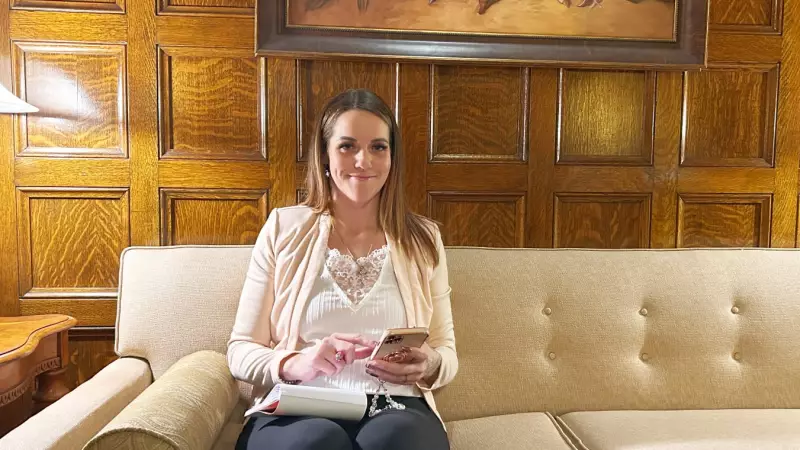
For Ashley Labelle, the path to becoming a death doula was one of profound personal realization. She describes reaching a point where she understood this unique role was her true vocation. Unlike medical professionals, death doulas focus on the emotional, spiritual, and practical logistics of dying, offering a compassionate presence that complements clinical care.
This trend reflects a growing desire for personalized, dignified endings outside the strict confines of traditional medical systems. Doulas often assist with creating legacy projects, facilitating difficult conversations with loved ones, and helping individuals articulate their final wishes.

Filling a Gap in the Care Continuum
The rise of death doulas in regions like Northern Ontario can be linked to several factors. An aging population, coupled with a well-documented shortage of family doctors and palliative care resources in some communities, has created a gap in support. Doulas step in to provide continuity and guidance where the healthcare system may be stretched thin.
The work, as reported on January 09, 2026, is gaining recognition as a valid and valuable component of end-of-life care. These practitioners operate independently, with services ranging from advance care planning and vigil sitting to grief support for families after a death has occurred.
The Practical and Emotional Dimensions
The support offered is both practical and deeply emotional. A doula might help a client write letters to family members, plan a living funeral, or simply sit quietly with someone who is afraid. They demystify the dying process, helping to alleviate fear and uncertainty for both the individual and their circle of care.
This model empowers people to have more agency in their final days, aligning with a broader cultural movement toward death positivity and planned transitions. It acknowledges that a good death is as important as a good life.
As awareness grows, so does the network of trained death doulas across Canada, with Northern Ontario residents actively seeking out these services. The trend suggests a societal move toward embracing more open, supported, and personalized conversations about mortality, ensuring no one has to face their final journey alone.