Winnipeg Man Reflects on Survival and Healing After Hawaii Resort Explosion
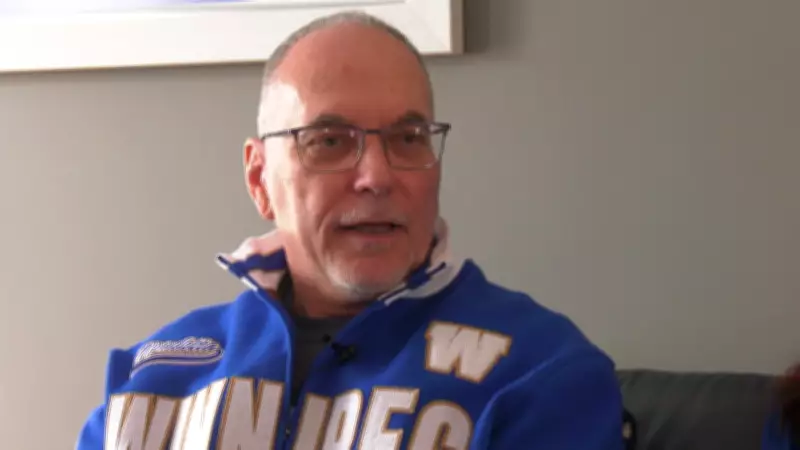
Nearly a year after a devastating explosion at a Hawaii resort, Darren Stevenson, a Winnipeg resident, is sharing his powerful story of survival and recovery. The incident, which occurred on February 20, 2025, left Stevenson with significant injuries, but his journey since has been one of remarkable resilience.
Stevenson vividly recalls the moments following the explosion, describing a scene of chaos and confusion. "I feel grateful to have survived this," he stated in a recent interview, emphasizing the profound impact the event has had on his life. His recovery has involved extensive medical treatment, physical therapy, and psychological support, highlighting the long-term challenges faced by survivors of such traumatic events.
A Year of Physical and Emotional Healing
The explosion at the Hawaiian resort, which drew national attention, resulted in multiple casualties and raised questions about safety protocols. For Stevenson, the aftermath meant navigating a complex healthcare system while coping with the emotional toll. His experience underscores the importance of comprehensive care for trauma survivors, blending medical and mental health services.

Stevenson's recovery process included:
- Multiple surgeries to address injuries sustained in the blast.
- Ongoing physical rehabilitation to regain mobility and strength.
- Counseling sessions to manage post-traumatic stress and anxiety.
- Support from family and community in Winnipeg, which he credits as a crucial factor in his healing.
He noted that the support network in his hometown has been instrumental, providing both practical assistance and emotional comfort during difficult times. This community aspect is often a key component in recovery stories, helping individuals rebuild their lives after catastrophic events.
Broader Implications for Survivor Support
Stevenson's story brings to light the broader issues surrounding survivor care and disaster response. Incidents like the Hawaii resort explosion can have ripple effects, affecting not only the immediate victims but also their families and communities. Experts suggest that improved safety measures and faster emergency responses could mitigate such impacts in the future.
Moreover, Stevenson's journey highlights the need for accessible mental health resources, as trauma can manifest long after physical wounds have healed. His advocacy for better support systems serves as a reminder of the ongoing challenges faced by survivors worldwide.
As he continues to recover, Stevenson remains focused on moving forward, using his experience to raise awareness about survivor issues. His message of gratitude and resilience offers hope to others facing similar hardships, demonstrating that healing is possible with time and support.