Windsor Regional Hospital has issued a public health advisory, urging residents to exercise extreme caution as the region braces for hazardous winter conditions. The warning comes amid forecasts of plummeting temperatures and increased risks of weather-related accidents and health emergencies.
Rising Risks in Harsh Conditions
The hospital's alert highlights a predictable seasonal surge in patients suffering from injuries directly linked to cold weather. Common emergencies include slips and falls on ice, which can lead to fractures, sprains, and head trauma. Medical staff also anticipate treating cases of frostbite and hypothermia, particularly among vulnerable populations such as seniors, children, and those experiencing homelessness.
Health officials emphasize that many of these incidents are preventable with proper preparation and awareness. The advisory coincides with a broader cold snap affecting parts of the country, where wind chill values can make temperatures feel dangerously low.

Essential Prevention Strategies
To mitigate risks, Windsor Regional Hospital and public health authorities recommend several key safety measures. Wearing appropriate, insulated footwear with non-slip soles is critical for navigating icy sidewalks and driveways. Dressing in layers, including hats and gloves, is essential to retain body heat and prevent frostbite on exposed skin.
Residents are also advised to:
- Keep walkways and stairs clear of snow and ice at home.
- Take shorter steps and walk slowly on potentially slippery surfaces.
- Be aware of black ice, which is often invisible on pavement.
- Check on elderly neighbours or family members who may need assistance.
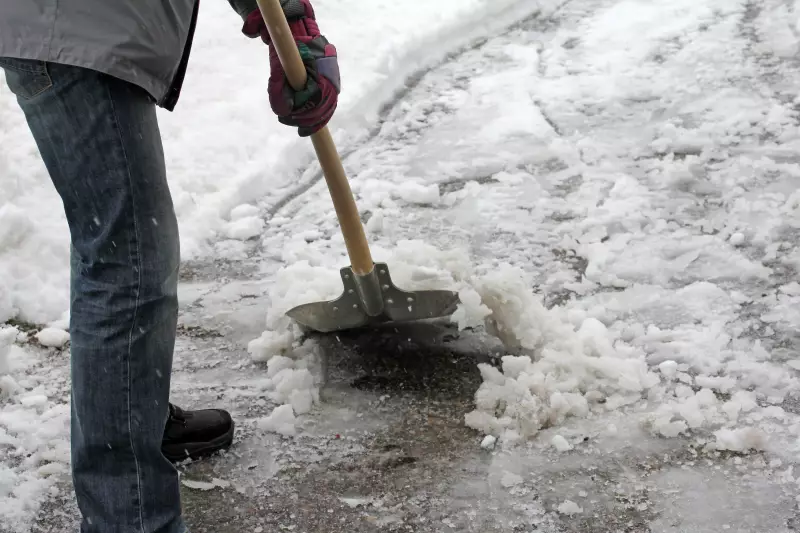
For those who must engage in outdoor activities like shovelling snow, experts caution against overexertion, which can strain the heart, especially in cold air.
Community and Healthcare System Preparedness
The hospital's warning serves as a proactive step to manage potential patient influx and reduce strain on emergency services. By encouraging public vigilance, the healthcare system aims to prevent serious injuries before they occur. Local municipalities typically activate extreme cold weather protocols, opening warming centres and providing additional services to protect residents.
This seasonal alert is a standard but vital communication from healthcare providers in Canadian regions with severe winters. It underscores the shared responsibility between public health institutions and the community to ensure safety during the coldest months of the year. Staying informed about weather forecasts and heeding these practical tips can significantly reduce the number of preventable trips to the emergency department.