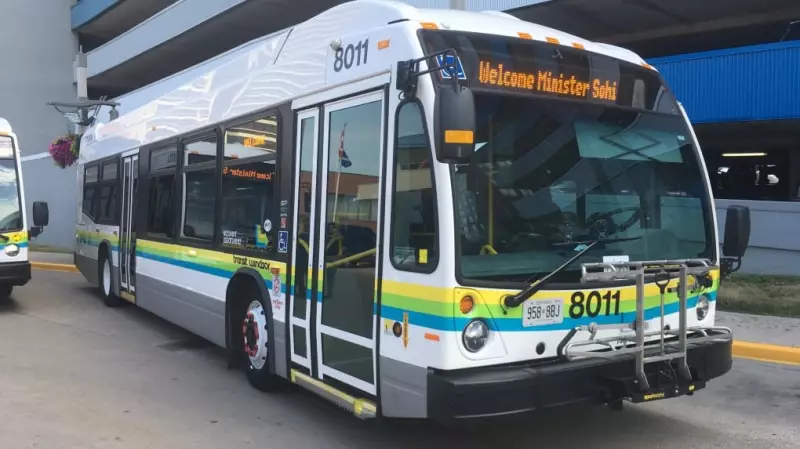
The Windsor-Essex County Health Unit has taken a firm stance against a potential increase in public transit fares, advising the City of Windsor that accessible and affordable transportation is a fundamental component of community health and well-being.
Transportation Framed as a Health Priority
In a significant intervention, the local public health authority has formally recommended that city officials not raise transit fees. The health unit's position is grounded in the principle that transportation is a 'social determinant of health'. This means that the ability to get to work, medical appointments, grocery stores, and social engagements directly impacts a person's physical and mental health, as well as their economic stability.
The advice underscores a shift in how municipalities might view transit funding—not merely as a budgetary line item for cost recovery, but as an essential public service with profound health implications. Limiting access through higher costs could exacerbate social isolation, hinder employment opportunities, and reduce access to healthcare for vulnerable populations.

The Broader Context of Municipal Decision-Making
This recommendation comes as municipalities across Ontario, including Windsor, grapple with budgetary pressures and the rising costs of service delivery. The health unit's guidance adds a critical public health lens to these financial discussions. It challenges the city to consider the long-term societal costs of reduced mobility against the short-term gain of increased fare revenue.
Public health officials argue that investments in affordable transit can lead to healthier populations and reduced strain on the healthcare system. When people can reliably and affordably travel to preventative medical care, maintain employment, and participate in community life, overall public health outcomes improve.
Potential Impacts and Next Steps for Windsor
The health unit's advisory places the issue squarely before Windsor's city council, which must weigh this public health perspective against other fiscal realities. The decision will have a direct impact on the daily lives of thousands of residents who rely on Windsor Transit.
Advocates for low-income residents, seniors, and students are likely to support the health unit's position, emphasizing that for many, public transit is not a choice but a necessity. The city's response to this recommendation will signal its commitment to a holistic view of community wellness, where economic policy and health policy are interconnected.
As the debate continues, the core question remains: will Windsor treat its transit system as a revenue tool or as vital public health infrastructure? The health unit has clearly advocated for the latter.