The head of the World Health Organization (WHO) has struck an optimistic tone regarding the completion of a landmark international pandemic treaty, suggesting a key sticking point is close to being resolved.
Confidence in Closing the Deal
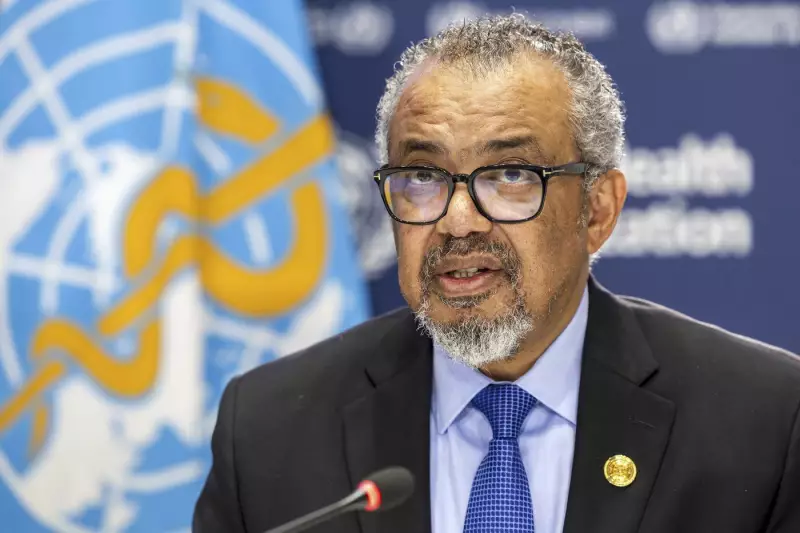
During a press briefing in Geneva on Thursday, August 7, 2025, WHO Director-General Tedros Adhanom Ghebreyesus indicated that negotiations are progressing on the critical missing piece of the proposed treaty. The agreement is intended to establish a global framework for preventing, preparing for, and responding to future pandemics, a lesson starkly highlighted by the COVID-19 crisis.
While specific details of the outstanding issue were not fully disclosed in the briefing, Tedros's positive remarks signal a potential breakthrough after years of complex international negotiations. The treaty aims to ensure more equitable access to medical resources, information sharing, and coordinated responses when the next global health threat emerges.

The Path to a Global Agreement
The push for a pandemic treaty gained significant momentum following the devastating impact of the coronavirus pandemic. Member states of the WHO have been engaged in intensive discussions to create a binding instrument that would strengthen the world's collective defenses.
The process has involved balancing national sovereignty with the need for transparent, rapid international cooperation. Key areas of negotiation have included pathogen and genomic sequence data sharing, equitable distribution of vaccines and treatments, and sustainable financing for pandemic preparedness in lower-income countries.
Tedros's comments suggest that diplomats and health officials are narrowing their differences on one of the last major hurdles, potentially paving the way for a final agreement to be presented for adoption.
Implications for Canada and Global Health Security
For Canada, a nation deeply integrated into global health and trade networks, a robust pandemic treaty is of paramount importance. A successful agreement would provide a clearer international rulebook, potentially preventing the scramble and competition for supplies witnessed in early 2020.
A finalized treaty would represent a major achievement for multilateralism and global health governance. It would commit nations to a higher standard of preparedness, including stronger national health systems and more transparent reporting of outbreaks.
The WHO chief's upbeat assessment, delivered at the organization's headquarters in Switzerland, offers hope that the international community can unite to safeguard future generations from catastrophic pandemics. The world now watches to see if this optimism translates into a signed and sealed deal in the near future.