Healthcare Providers Issue Urgent Warning Over Unauthorized Abortion Pill Sales
Healthcare professionals across Canada are sounding the alarm about a concerning trend: unauthorized online sellers are aggressively marketing abortion pills directly to women, circumventing essential medical oversight and potentially endangering patient safety. This practice, which has been gaining traction in recent months, involves vendors operating outside the regulated healthcare system, often through social media platforms and discreet websites.
Bypassing Medical Safeguards
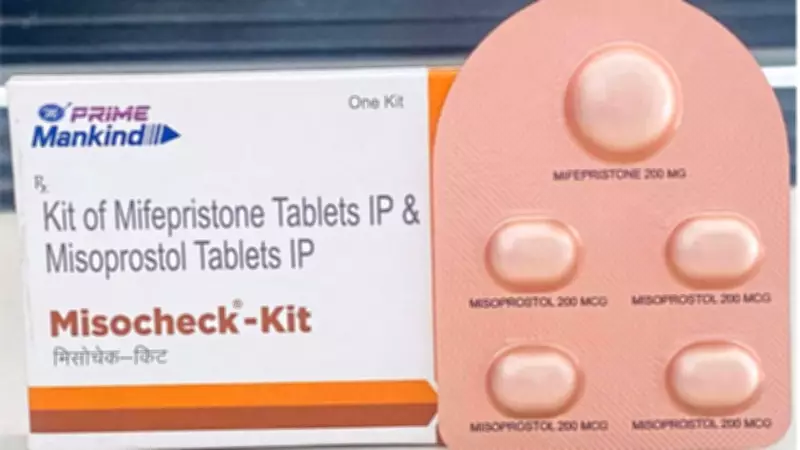
These unauthorized sellers typically offer mifepristone and misoprostol—the two-drug regimen used for medication abortions—without requiring prescriptions or medical consultations. This approach directly contradicts established medical protocols, which mandate proper screening, dosage guidance, and follow-up care to ensure patient wellbeing. By eliminating these crucial safeguards, women may face increased risks of complications, incorrect usage, or underlying health conditions going undetected.
"We're seeing a dangerous shift where women are being targeted by unregulated sources," explained Dr. Sarah Chen, a Toronto-based obstetrician-gynecologist. "While medication abortion is safe when administered properly under medical supervision, obtaining these pills from unauthorized sellers removes that critical layer of protection."

The Risks of Unregulated Distribution
The proliferation of these unauthorized sales channels presents multiple concerns for women's health:
- Lack of Medical Assessment: Without proper screening, women with contraindications—such as ectopic pregnancies or certain medical conditions—may unknowingly put themselves at risk.
- Incorrect Dosage Information: Unauthorized sellers often provide inadequate or inaccurate instructions for medication use, potentially leading to incomplete abortions or increased side effects.
- No Follow-up Care: Legitimate healthcare providers schedule follow-up appointments to confirm the abortion's completion and address any complications, a service unavailable through unauthorized channels.
- Product Quality Concerns: The origin, storage conditions, and authenticity of medications from unregulated sources cannot be verified, raising questions about their safety and efficacy.
Healthcare System Implications
This trend also places additional strain on Canada's healthcare system. Women who experience complications from improperly administered abortion pills often seek emergency care, sometimes without disclosing the source of their medications. This creates challenges for healthcare providers who must treat complications without complete medical histories.
"We've treated several patients in emergency departments who obtained abortion pills online without medical supervision," reported Dr. Michael Tremblay, an emergency physician in Vancouver. "In some cases, they required surgical intervention to complete the abortion or address complications that could have been prevented with proper medical oversight."
Legal and Regulatory Landscape
In Canada, mifepristone has been available by prescription since 2017 and can be dispensed by pharmacists without requiring administration in a clinic. However, this accessibility within the regulated healthcare system differs significantly from the unregulated online market now emerging. Health Canada regulates prescription medications, but enforcement against unauthorized online sellers remains challenging due to the borderless nature of internet commerce.
Healthcare advocates emphasize that while improving access to abortion services remains important, it must be balanced with patient safety. They recommend that women seeking abortion pills consult licensed healthcare providers who can ensure proper screening, accurate information, and appropriate follow-up care.
The Canadian healthcare community continues to monitor this developing situation closely, urging women to prioritize their safety by obtaining reproductive healthcare through legitimate, regulated channels rather than risking their health with unauthorized sellers.