New Report Exposes Critical Transportation Barriers for Rural Domestic Violence Survivors in Alberta
A groundbreaking new report from the Alberta Council of Women's Shelters has brought to light the severe transportation challenges facing rural survivors of gender-based violence across the province. The comprehensive document, titled A Ride Can Save a Life: Transporting Survivors in Rural Alberta to Safety and Healing, reveals how inadequate transportation infrastructure creates dangerous barriers for those seeking to escape abusive situations.
The Rural Transportation Crisis
The report emphasizes that while safe, accessible, and reliable transportation represents a fundamental need for all survivors of domestic abuse, the situation becomes particularly dire for individuals living in rural, remote, and northern Alberta communities. According to the findings, the absence of dependable transportation options frequently prevents survivors from accessing basic necessities and opportunities for independence.
"For survivors in these communities, lack of transportation can prevent them from going to work, looking for a new job, getting their children to school, moving closer to family or support networks, or attending crucial medical appointments for themselves and their children," the report states unequivocally.

Consequences of Transportation Inaccessibility
The consequences of this transportation gap are severe and far-reaching. Without viable transportation alternatives, many survivors face impossible choices that directly impact their safety and economic stability. The report documents cases where individuals were forced to quit their jobs due to transportation issues, while others found themselves with no realistic option but to remain in abusive relationships because they lacked the means to leave.
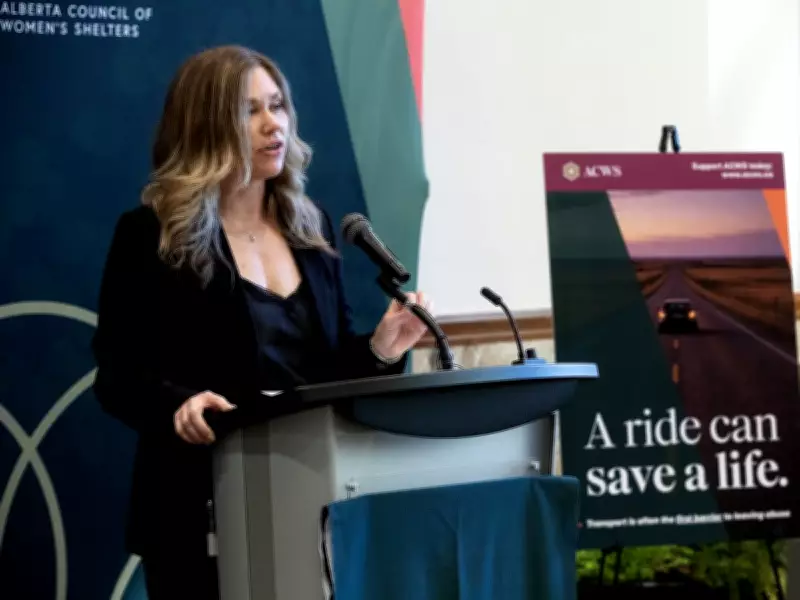
Cat Champagne, Executive Director of the Alberta Council of Women's Shelters, highlighted this often-overlooked barrier during a recent press conference in Edmonton. "People think about other barriers that a survivor may have when they're leaving a domestic violence situation, but transportation just doesn't seem to come to the top," Champagne explained, expressing hope that the new report will significantly raise awareness about this critical issue.
Government Strategy and Shelter Response
The report references the 2025 Alberta government 10-year Strategy to End Gender-Based Violence, which specifically identifies residents of northern, rural, and remote communities as among the groups most impacted by gender-based violence. This official strategy acknowledges that limited access to public transportation represents a key factor that complicates escape from abusive environments for people in these regions.
In response to this documented need, the Alberta Council of Women's Shelters implemented a 14-month project that concluded last year, distributing approximately $114,000 to 22 member shelters across rural Alberta. This initiative provided safe and accessible transportation to an impressive 3,430 survivors, including 2,087 adults and 1,343 children.
Survivors utilized these transportation resources for various essential purposes:
- Accessing vital services located outside their immediate communities
- Traveling to shelter facilities for safety and support
- Transferring between different shelter locations when necessary
Calls for Systemic Transportation Solutions
The report concludes with a powerful call to action, emphasizing that "Safe, accessible and reliable transportation is essential to ensure all Albertans live free from violence and abuse." Given that numerous rural, remote, and northern Alberta communities continue to lack reliable public transit options, the document advocates strongly for the establishment of accessible and affordable public transportation systems specifically designed for rural Alberta.
This comprehensive analysis serves as both a documentation of current challenges and a roadmap for future improvements, highlighting how transportation infrastructure represents not merely a convenience issue, but a critical component of survivor safety and community wellbeing across Alberta's diverse geographic landscape.