Toronto's Donor-Funded Safe Consumption Sites Brace for Ontario Funding Cuts
Safe consumption and treatment services in Toronto that rely heavily on donor funding are preparing for significant operational challenges following announced provincial funding reductions. These facilities, which provide supervised spaces for drug use alongside medical care and social services, now face uncertainty as Ontario implements budget cuts affecting public health initiatives.
Critical Services at Risk
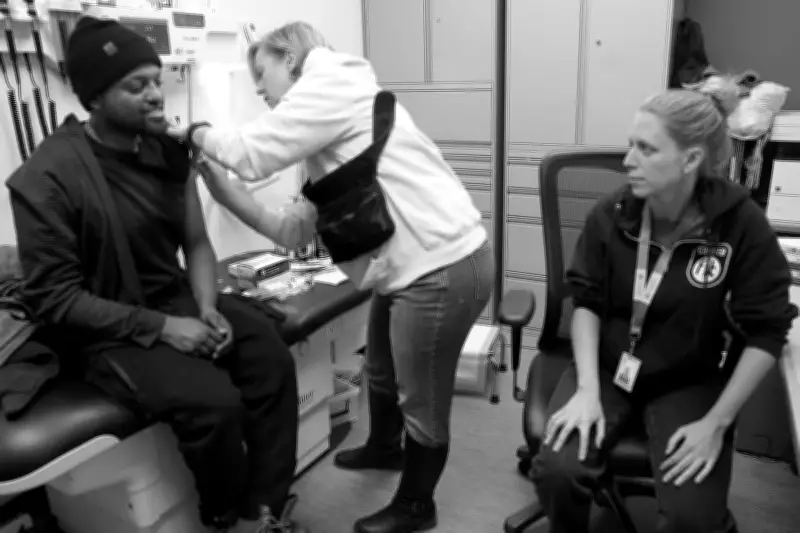
The Moss Park consumption and treatment service in Toronto, where registered nurse Karen Elmira recently administered an inoculation to service user Yohannes while he consulted with nurse practitioner Krystal Fox, represents the type of facility that could be impacted. These sites offer more than just supervised consumption—they provide:
- Medical monitoring and emergency response
- Access to addiction treatment programs
- Harm reduction supplies and education
- Connections to housing and social services
- Primary healthcare for marginalized populations
With provincial funding reductions, these comprehensive services may need to be scaled back despite increasing demand across Toronto communities.

Funding Structure Vulnerabilities
Many of Toronto's safe consumption sites operate through a patchwork of funding sources, with provincial support forming a crucial component alongside municipal contributions and private donations. The announced cuts threaten to destabilize this delicate financial balance, potentially forcing facilities to:
- Reduce operating hours and service capacity
- Limit the range of medical and social services offered
- Decrease staffing levels, including nurses and support workers
- Postpone facility maintenance and equipment upgrades
- Cut back on outreach and community education programs
Advocates warn that these reductions come at a particularly challenging time, as Toronto continues to grapple with an ongoing opioid crisis and increasing substance use concerns.
Public Health Implications
The potential scaling back of safe consumption services carries significant public health consequences for Toronto. Research consistently shows that these facilities:
- Reduce overdose deaths through immediate medical intervention
- Decrease public drug use and discarded needles in communities
- Lower transmission rates of infectious diseases like HIV and hepatitis
- Increase engagement with addiction treatment services
- Reduce strain on emergency medical services and hospital resources
Without adequate funding, Toronto risks reversing progress made in addressing the complex challenges of substance use and addiction, potentially leading to increased healthcare costs and community impacts.
Community Response and Alternatives
As Toronto's donor-funded sites prepare for the fallout of provincial cuts, community organizations and healthcare providers are exploring alternative support mechanisms. These include:
- Increased private fundraising campaigns targeting individual and corporate donors
- Advocacy efforts urging reconsideration of funding decisions
- Partnerships with academic institutions for research-based funding
- Collaboration with other social service agencies to share resources
- Municipal initiatives to bridge funding gaps where possible
The coming months will test the resilience of Toronto's harm reduction infrastructure as organizations work to maintain essential services despite financial constraints. The situation highlights the ongoing tension between provincial budget priorities and local public health needs in addressing complex social issues.