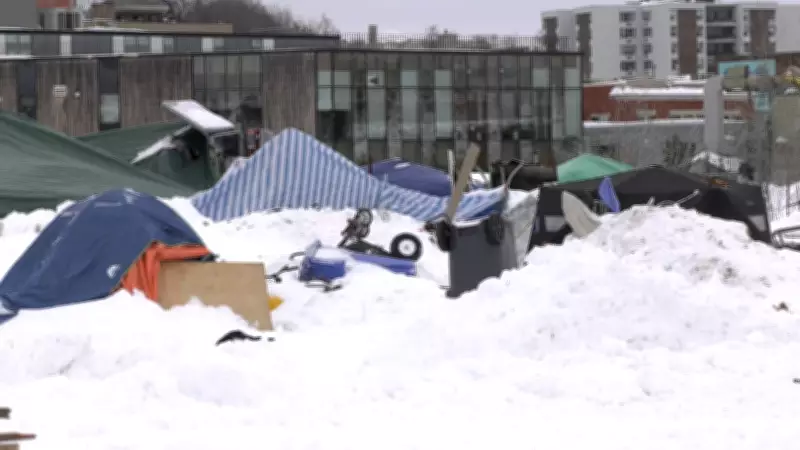
Second Fatality in Days at Sudbury Homeless Encampment Prompts Alarm
Greater Sudbury police have confirmed the death of a 43-year-old man at the Energy Court homeless encampment on the morning of March 19, 2026. This tragic incident represents the second fatality at the site within a single week, intensifying concerns about the safety and well-being of vulnerable individuals living in makeshift shelters across the city.
Details of the Latest Incident
Authorities responded to a call at the encampment located in Sudbury's downtown core, where they discovered the deceased man. While the exact cause of death remains under investigation by the coroner's office, police have stated there are no immediate signs of foul play. The identity of the individual has not been publicly released, pending notification of next of kin.
This death follows another at the same encampment earlier in the week, highlighting a distressing pattern that local advocates describe as a direct consequence of systemic failures in housing and social support systems. The Energy Court encampment, like many others in Northern Ontario, has grown significantly in recent years due to rising homelessness rates, affordable housing shortages, and limited shelter capacity.

Community and Advocacy Response
Homelessness support organizations in Sudbury have expressed profound grief and frustration over the latest loss. "These are preventable tragedies," stated a representative from the Sudbury Community Homelessness Prevention Network. "When people are forced to live in unsafe conditions without adequate access to healthcare, mental health services, or stable housing, we are failing them as a community."
Advocates are urgently calling for:
- Increased emergency shelter beds with low-barrier access
- Expansion of permanent supportive housing projects
- Enhanced on-site health and crisis intervention services at encampments
- Collaborative efforts between municipal, provincial, and federal governments to address root causes
Broader Context of Homelessness in Northern Ontario
Sudbury's situation reflects a larger crisis across Northern Ontario, where harsh winters, economic disparities, and limited resources exacerbate the risks faced by unhoused populations. Recent data indicates a sharp increase in encampments in cities like Thunder Bay, Sault Ste. Marie, and Timmins, with similar reports of health emergencies and fatalities.
Municipal officials have acknowledged the severity of the issue but cite funding constraints and bureaucratic hurdles in implementing rapid solutions. The City of Greater Sudbury has initiated several pilot programs, including temporary warming centers and outreach teams, yet these measures have proven insufficient to meet the escalating demand.
Looking Forward: Calls for Systemic Change
As investigations into the two deaths continue, community leaders emphasize that reactive measures are no longer enough. They advocate for a holistic approach that integrates housing-first policies, trauma-informed care, and long-term investment in social infrastructure. "Every life lost in an encampment is a stark reminder of our collective responsibility," added a local healthcare provider. "We need sustained action, not just temporary fixes."
The consecutive fatalities at the Energy Court encampment have galvanized public attention, prompting renewed dialogue about poverty, addiction, mental health, and housing justice in Sudbury and beyond. How authorities respond in the coming weeks will be critical in preventing further loss of life among the city's most marginalized residents.